“This is a dream turned into reality”.
Anthony Owusu Achiaw, MPhil Student
Building on the achievements of the 2024 and 2025 Ghana projects, The Tree Projects is now working to help establish an East African canopy research hub in Rwanda.
Rwanda’s trees and forests are central to the country’s remarkable ecology and rich biodiversity. Of particular note are its significant forest ecosystems, especially in montane regions such as Nyungwe Forest National Park.
With an experienced team of tree climbing trainers from Australia and Europe, and the proven results of two previous projects, this initiative is well positioned to succeed.
SUPPORTING THE EXPANSION OF INDEPENDENT CANOPY RESEARCH IN AFRICA
YOUR DONATIONS WILL PERCHASE RESEARCH EQUIPMENT.
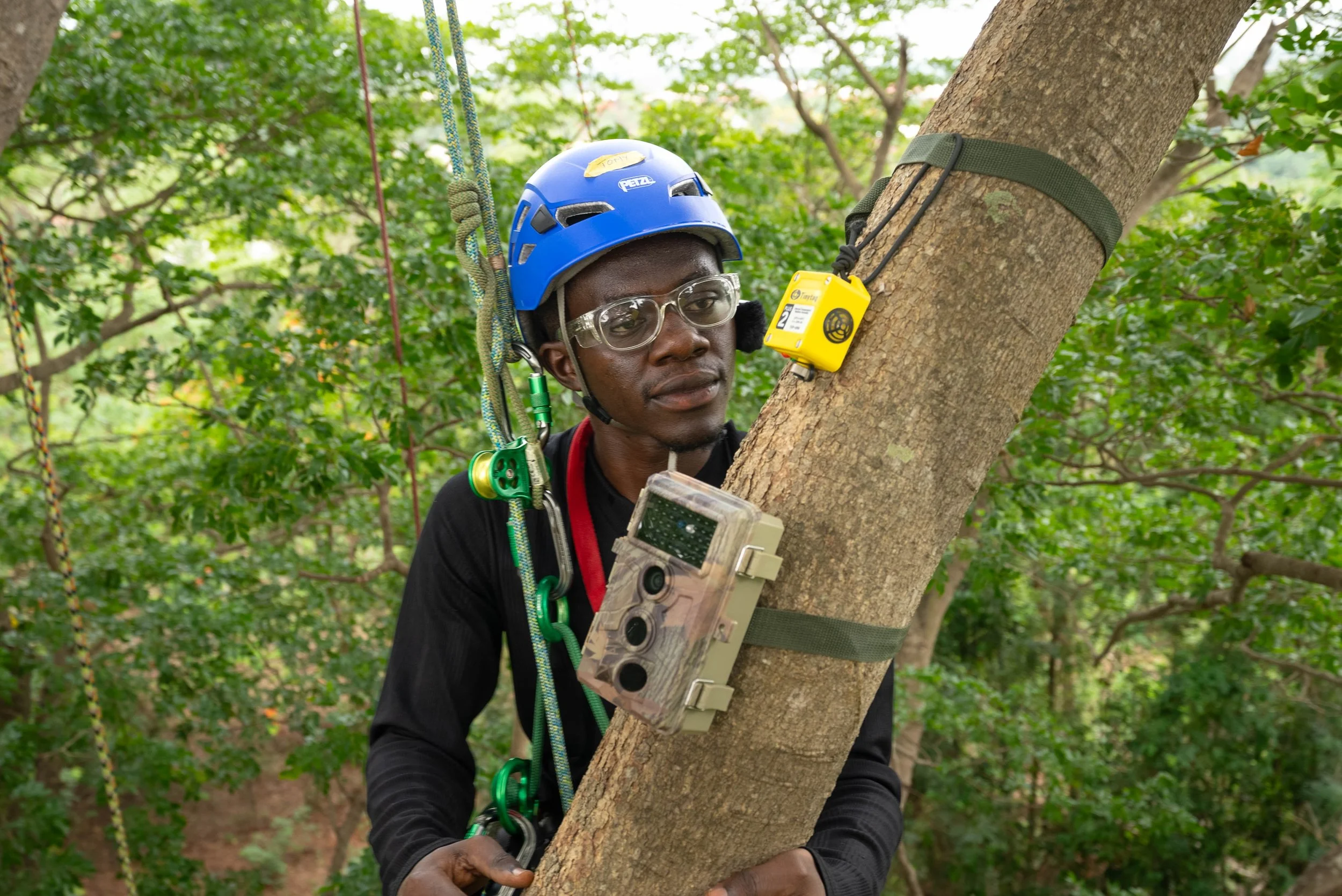
Your donation will support the purchase of research sensors, devices, and recording equipment. These tools will enable young Rwandan scientists to quantify Rwanda’s largely unexplored canopy ecology in new ways.
The data collected from these devices can be analysed in numerous ways to support a wide range of research topics.
2 x Data Loggers $1600
Tinytag Plus 2 (TGP-4500) Temperature and humidity data loggers.

2 x Acoustic Logger $300
Song Meter Micro 2 record birds, amphibians, arboreal & terrestrial mammals.

1 x Ultrasonic Logger $900
Song Metre Bat 2 record bats and other wildlife in the ultrasonic range.

3 x Wildlife Cameras $500
Imagery of wildlife and plant characteristics.


JUST ONE CARABINER
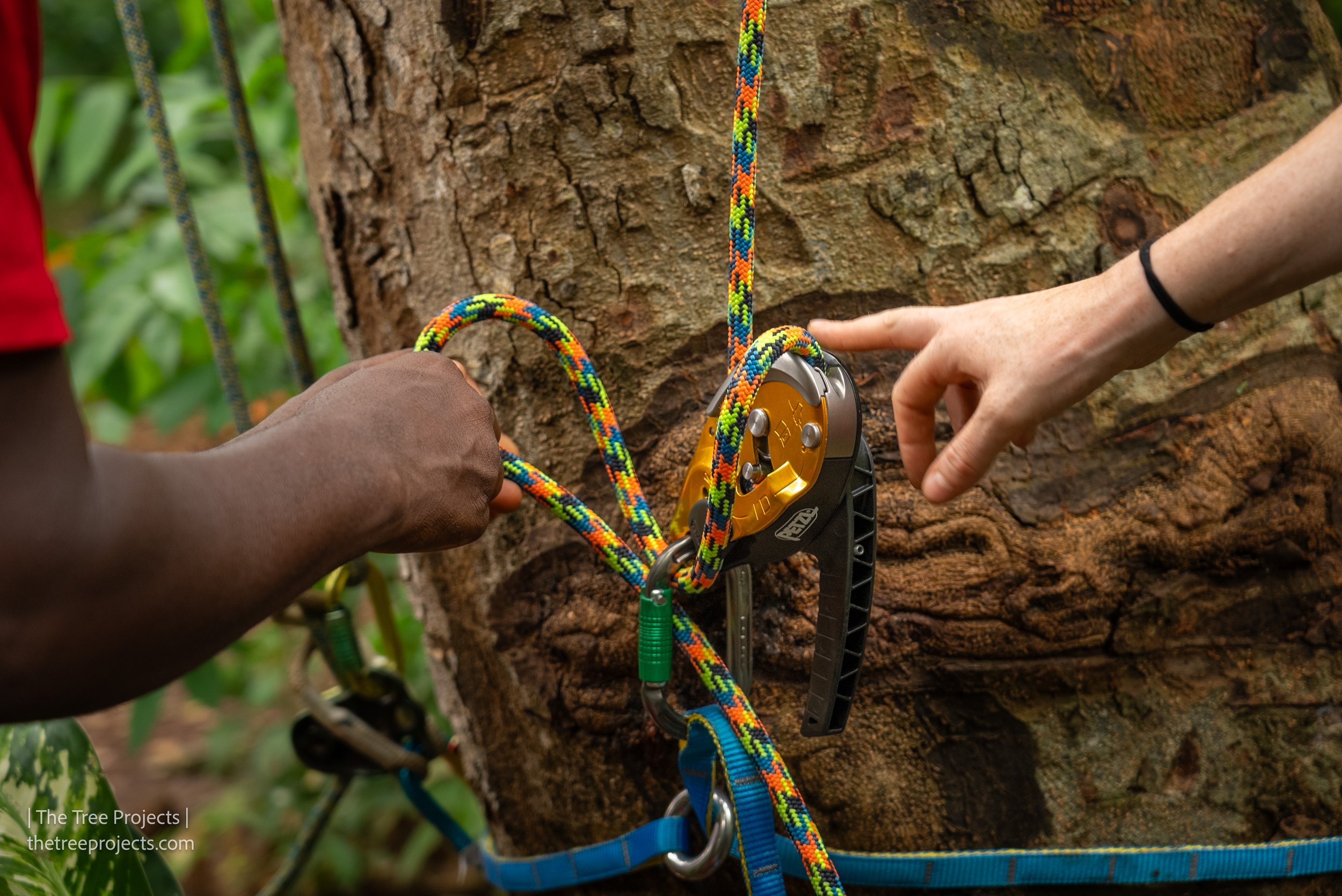
The price of one carabiner, about AUD $50, is equivalent to 28 days of full time work in Ghana.
This simple comparison sheds light on the vast economic inequalities that can limit motivated researchers. In 2024 & 2025 over $26,000 of equipment was donated by The Tree Projects and equipment suppliers. In adddition to this the in kind donation of qualified trainers work hours is an additional $30,000. This $56,000 is the equivalent of 93 years of wages.
A Real Success Story
Sherrif Iddris
MSc. Global Change Ecology Candidate & Research Assistant
Being part of the 2024 and 2025 cohort for tree climbing training in research has been a great privilege and a game-changing experience. This new capacity has not only been critical to my work deploying the kindly donated acoustic tools to understand the diversity and abundance of insectivorous bats, but it has also given me access to an entirely new world of canopy science.
Thanks to these oppertunities, I am now a DAAD scholar preparing to study in Germany, I am excited to apply my tree climbing skills to my proposed research, where I will investigate short- and long-term shifts in biodiversity patterns across different ecological scales.
THE 2026 PROJECT HAS FOUR GOALS
TRAINING FOUR GHANIAN TRAINERS
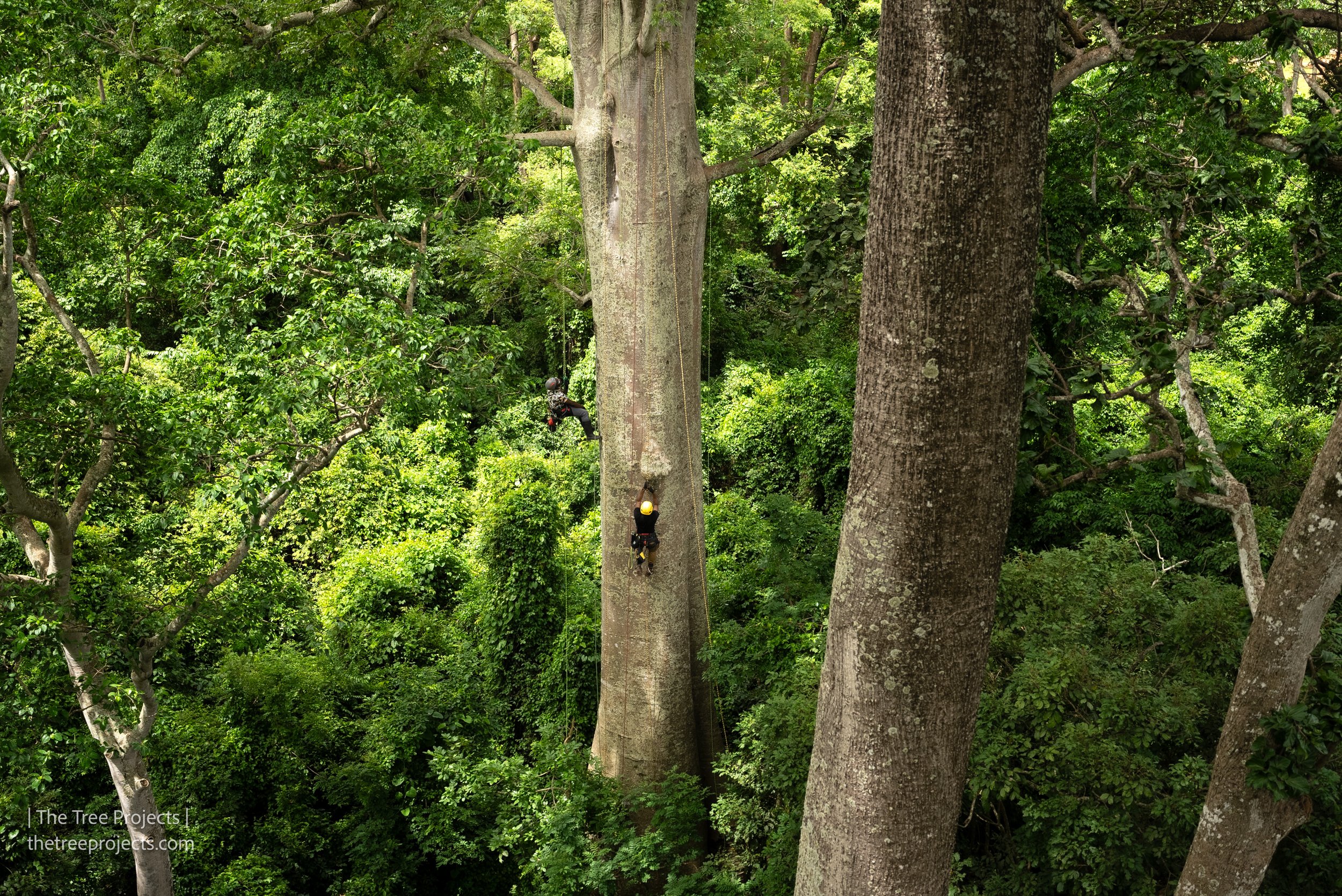
A key part of this project is supporting four Ghanaian climbers to join us in Rwanda. This enables them to continue their development, with the potential to become trainers themselves, while also sharing their climbing experience and the research they have conducted with Rwandan students. In doing so, the program promotes a cross-pollination of experience, ideas, projects, and collaboration across borders.
TRAIN NEW RESEARCHERS
Two groups of Rwandan students will participate and be divided into two six-day training sessions. During the program, students will learn the fundimentals of how to access the canopy using safe climbing techniques using modern arboricultural methods.
All training will be conducted by qualified climbing instructors, and a pass/fail assessment will be carried out at the conclusion of the program.
DONATE CLIMBING EQUIPMENT
Donating training is just one component of this project; another is donating all the necessary climbing equipment. Thanks to the generosity of leading arboricultural equipment manufacturers, we are able to donate four complete sets of industry-leading equipment to the university. The total value of this equipment exceeds $20,000, and it is fully fit for purpose. All equipment remains in the possession of the university.
DONATE RESEARCH EQUIPMENT
The Tree Projects can raise money from our supporters not for operational expenses, but for precise scientific tools. In 2025, thanks to your support, a total of $6,000 worth of research equipment was donated to the university in Rwanda. With these tools, groundbreaking new research was conducted. The equipment can be used in a variety of ways to quantify key ecosystem characteristics.
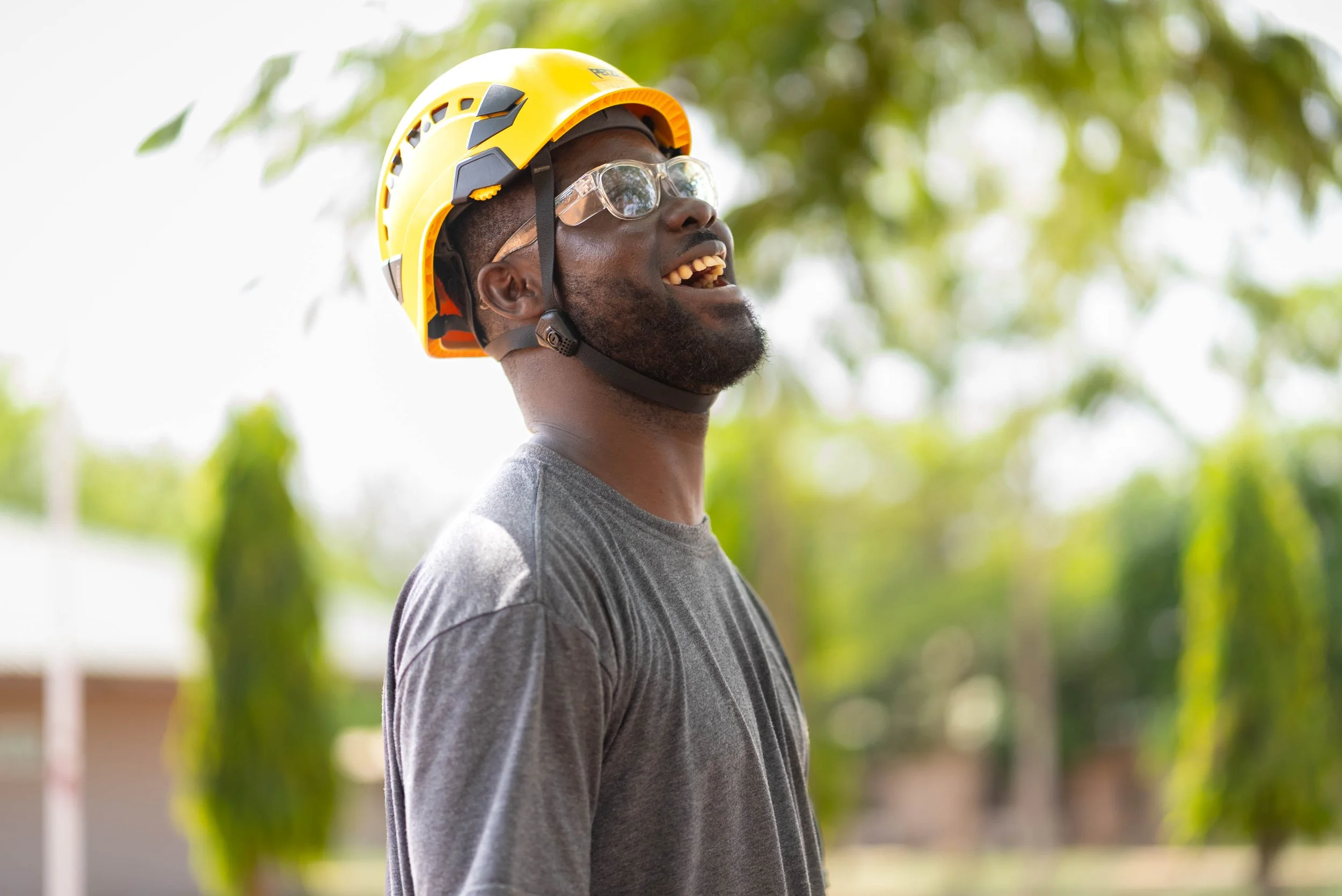

FULLY FUNDED TRAVEL AND IN COUNTRY COSTS
Thanks to the generosity of the Wedgetail foundation this project is fully funded for travel and in country costs.
A very special componet to this project is the ability of offer four fully funded scollarships to previous Ghanian students who have excelled in both climbing practice and their research.
The reason to include this is so that they can continue their our climb training with the goal of becoming trainers themselves. Once this is achieved a truly sustanable East and West African canopy research ecosystem can be fully realised.

WATCH THE 2025 PROJECT WRAP-UP
WATCH THE 2024 PROJECT WRAP-UP
MEET THE PROJECT COORDINATORS

Bismark Ofosu-Bamfo,
Project Coordinator, Ghana
Senior Lecturer in Ecology & researching plant phenology, plant functional traits, community ecology.
I need tree climbing skills for plant phenology and plant animal interaction studies using camera traps. Also, to collect sun exposed leaves for plant functional trait studies, I will need climbing skills, especially making collections at branch tips.
I am excited about the world of opportunity in canopy ecology/canopy science research that our students would now have access to. On all grounds and at all levels, such a training would not have been possible without the generosity of equipment donors and course facilitators.
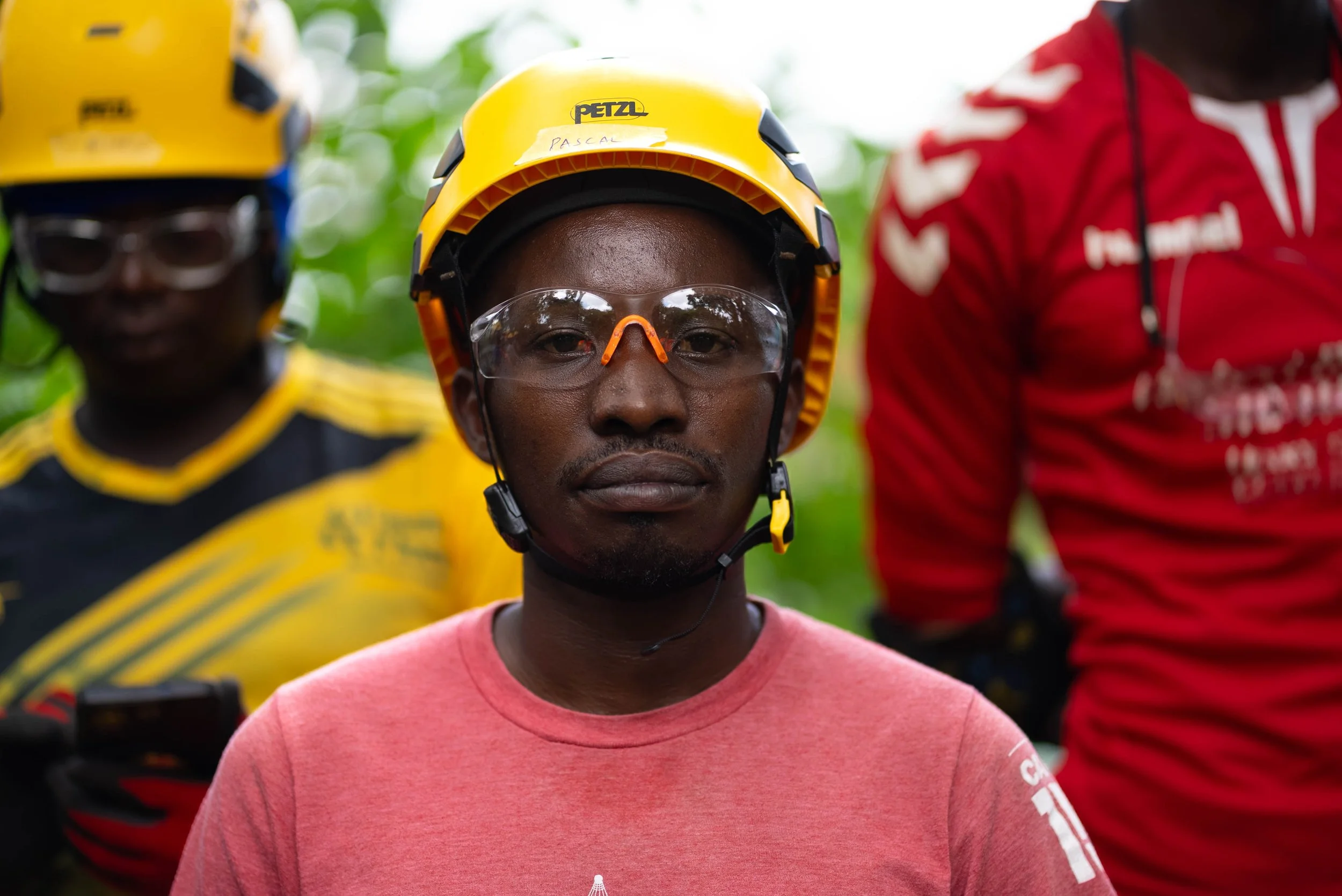
Pascal Sibomana,
Project Coordinator, Rwanda
Botanist and Herbarium Collection Manager specializing in plant biodiversity conservation and taxonomy in Rwanda.
He has a Master’s degree in Biodiversity Conservation and Natural Resources Management from the University of Rwanda. His research focuses on the conservation and recovery of Rwanda’s miniature water lily (Nymphaea thermarum), including population monitoring, translocation experiments, and studies on its ecology and reproductive biology. Pascal is also engaged in plant biodiversity surveys, herbarium specimen collection, and canopy-based research using tree climbing techniques to access and document plant diversity in forest ecosystems.
MEET THE TRAINERS

Sam Hardingham
EverydayArbor
Newcastle Australia
Sam is a part time teacher at Ryde TAFE NSW, delivering and assessing the practical units of the AQF Certificate 3 in Arboriculture. He is an active member of industry groups such as the Practicing Arborist Committee of Arboriculture Australia and the state-based group NSWarb has given Sam opportunities to contribute to industry progression.
Since 2005 Sam has worked all over the world and in 2019 he started Everydayarbor. Everydayarbor has worked with ecologists from University of Sydney, World Wildlife Fund, Science for Wildlife and Birdlife Australia. These projects have included iconic species like the Greater Gliders in Tallaganda National Park NSW, and Koalas in the Blue Mountains NSW.


Vicki Tough
Sylvana Alta
Tübingen Germany
As an arborist and tree climbing instructor Vicki founded Sylvana Alta to combine these professions and promote scientific exploration in forest canopies worldwide, believing that the greater understanding of its value will better protect it for the future. Having studied Zoology Vicki has organised, participated and led research expeditions for 20 years assisting and contributing to scientific studies worldwide. With a professional (possibly unhealthy) obsession with sleeping in trees Vicki co-founded Big Canopy Campout to share the importance of connecting people all over the world that are dedicated to fighting for the protection of native forests. She loves coffee and frogs, not together. She hates leeches, they are sneaky.


Steve Pearce
The Tree Projects / Big Tree State
Tasmania Australia
Steven Pearce is an award-winning photographer and filmmaker and is the creative director for The Tree Projects. Willing to push the boundaries and embrace the latest technologies, Steve is able to deliver content that is unique, beautiful and inspiring. As an avid tree climber and a passionate naturalist, he has spent over 10 years documenting trees and forests.
Steve has assisted over 500 people into the giant trees of Tasmania and runs the Tasmanian Recreational Tree Climbing Club. He has been actively engaged with the international arboricultural community and has travelled widely to assist with treetop research projects including USA, Taiwan, Panama and NZ

PROJECT SPONSORS


EXTRAORDINARY SUCCESS
The overwhelming enthusiasm of the participants was the true driving force behind the project’s success. None of them arrived as extreme athletes, nor did they have prior rope work or working-at-height experience. This meant we faced a significant challenge: guiding a group of complete beginners to become comfortable, competent, and confident in the forest canopy in just nine days of training.
What followed was as inspiring for our team as it was for the students. Their determination, curiosity, and willingness to push beyond their comfort zones transformed the experience into something far greater than a training program. Because of this, the team will return in 2026 to continue the journey—providing new training opportunities for incoming students while supporting the current participants as they implement and expand their own research projects.
FROM RESEARCH GAP…
A research gap can be described in many ways. This gap is a geographical area that has not had the same level of academic attention as other regions with equalivent forest makeup. Geographical remoteness is often combined with economic ability as the two primary reasons why science and research can sometimes be deprioritised. When it comes to canopy science it is the availability and cost of expert training, physical difficulty of access and the cost of professional equipment that is fit for purpose.

…TO RESEARCH HUB
There are now a number of competent and confident tree climbing researchers living in West Africa as well as a library of professional equipment. This simple fact will start the slow but unstoppable process of those skills, knowledge and equipment being shared throughout the region.
The climb team and the university are already looking into research and project collaborations with other universities spread across West Africa.
In October 2023, we attended the International Canopy Conference in China. Not a single presentation was delivered by West African scientists. This research gap was acknowledged by the group and we began working towards providing this training expedition.
Together with Dr. Kenneth Bentum Otabil, Head of the Department of Biological Sciences and Bismark Ofosu-Bamfo, Lecturer of Biological Sciences at the University of Energy and Natural Resources in Ghana we are choosing to solve this problem.
HOW IT BEGAN

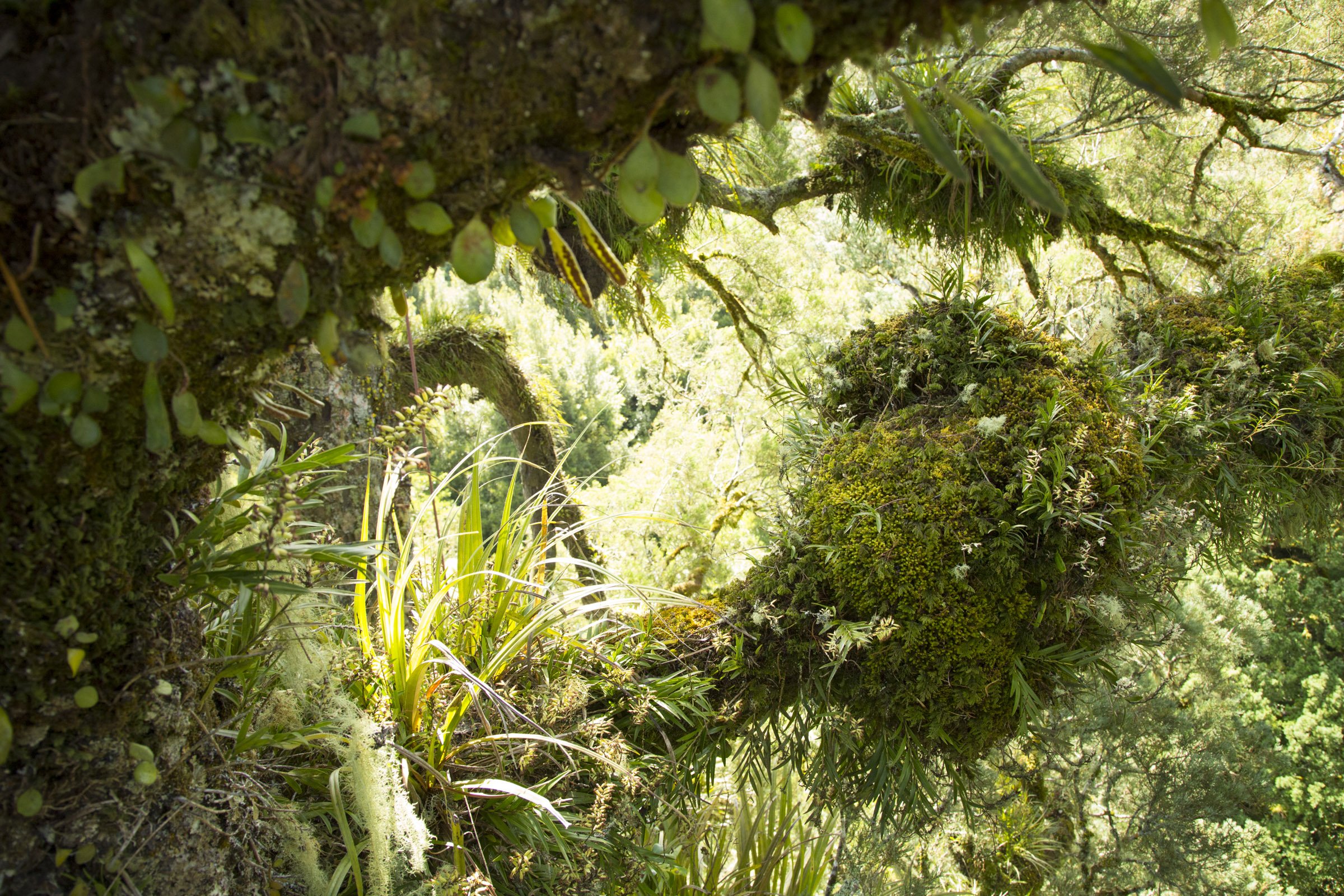
FIGHTING FOR EQUALITY IN THE CANOPY

Empowering African scientists to undertake new research and develop conservation strategies.
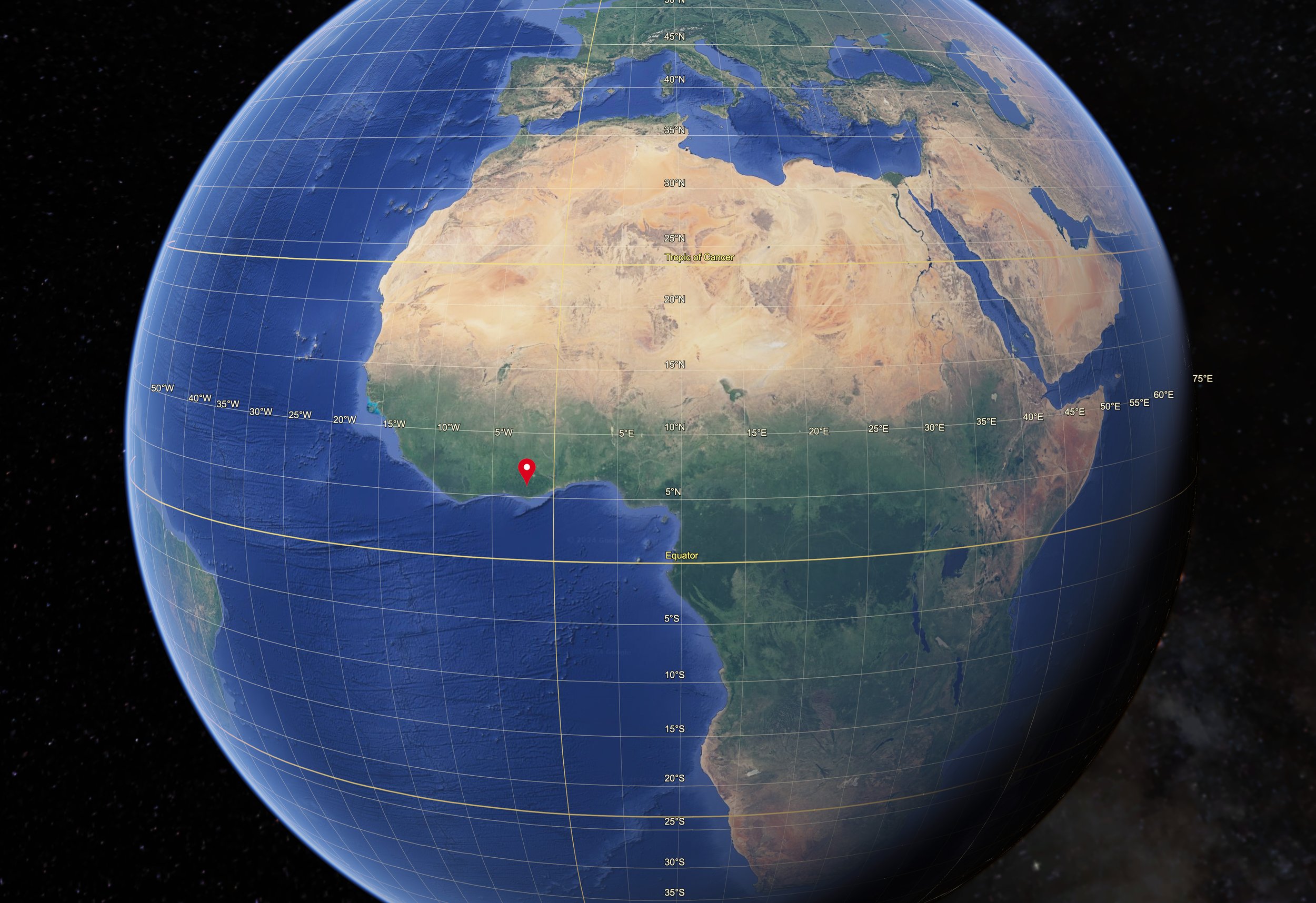
Africa is home to the second largest block of tropical rainforest found on earth

Africa has some of the least studied forest canopies remaining on earth