PHOTOGRAPHING
THE GIANTS

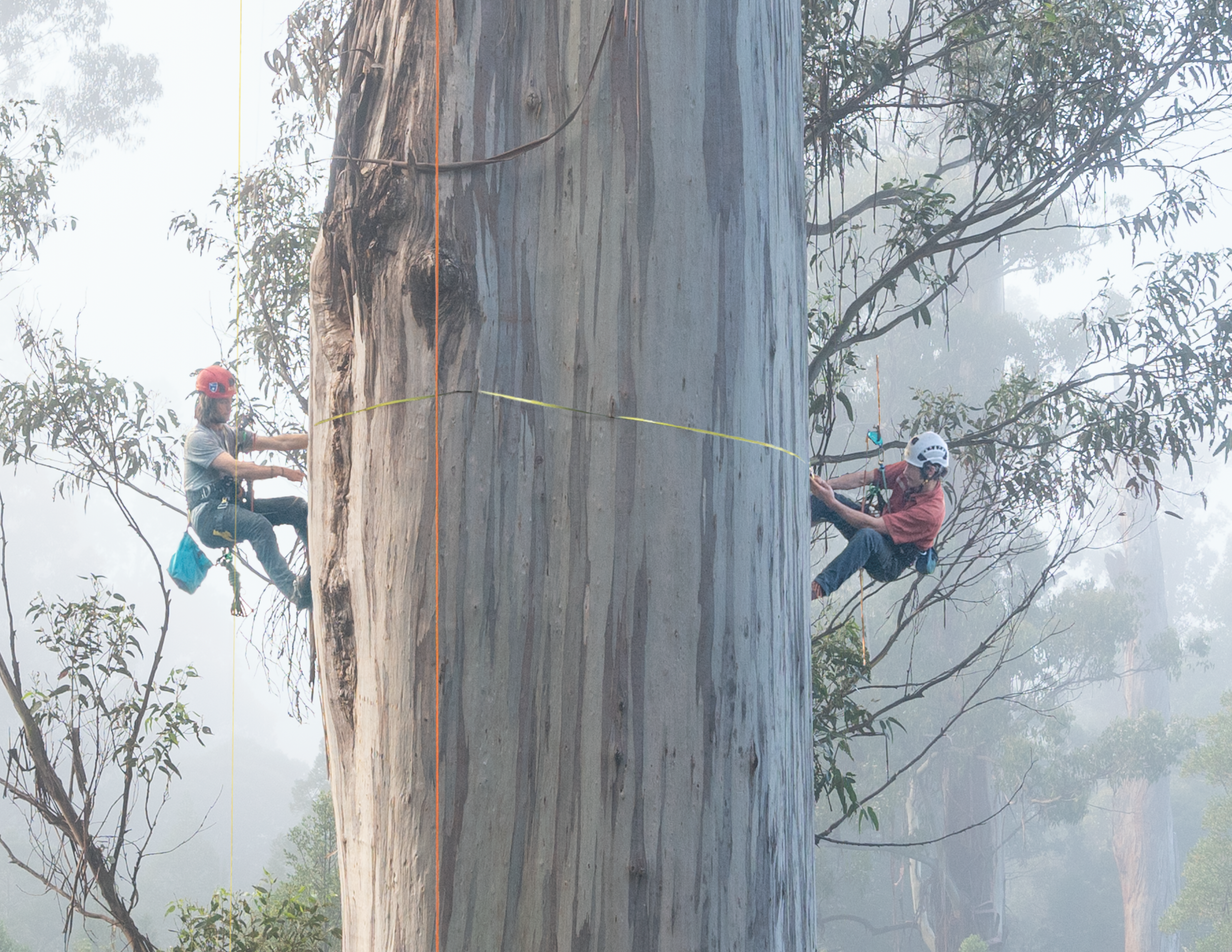
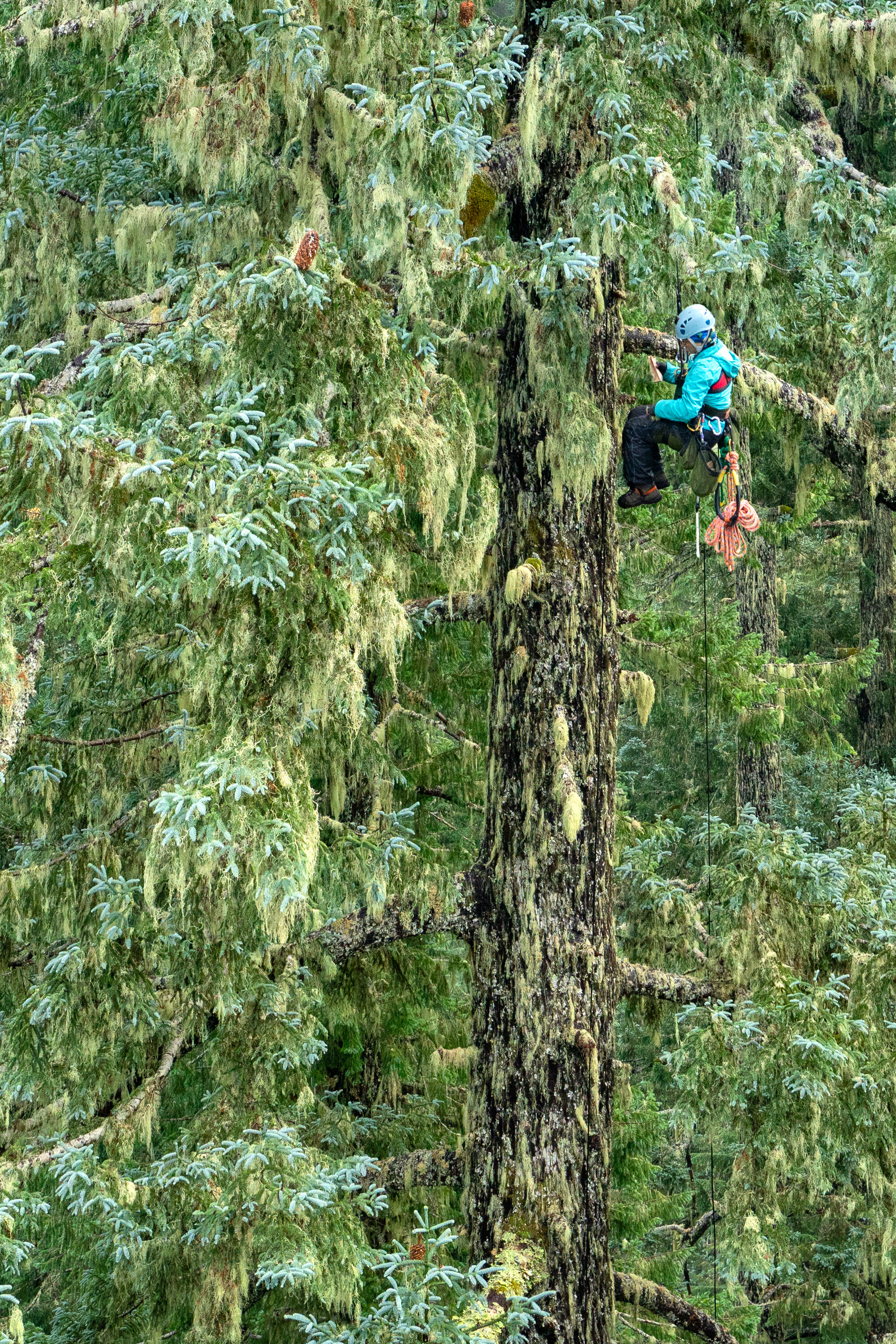
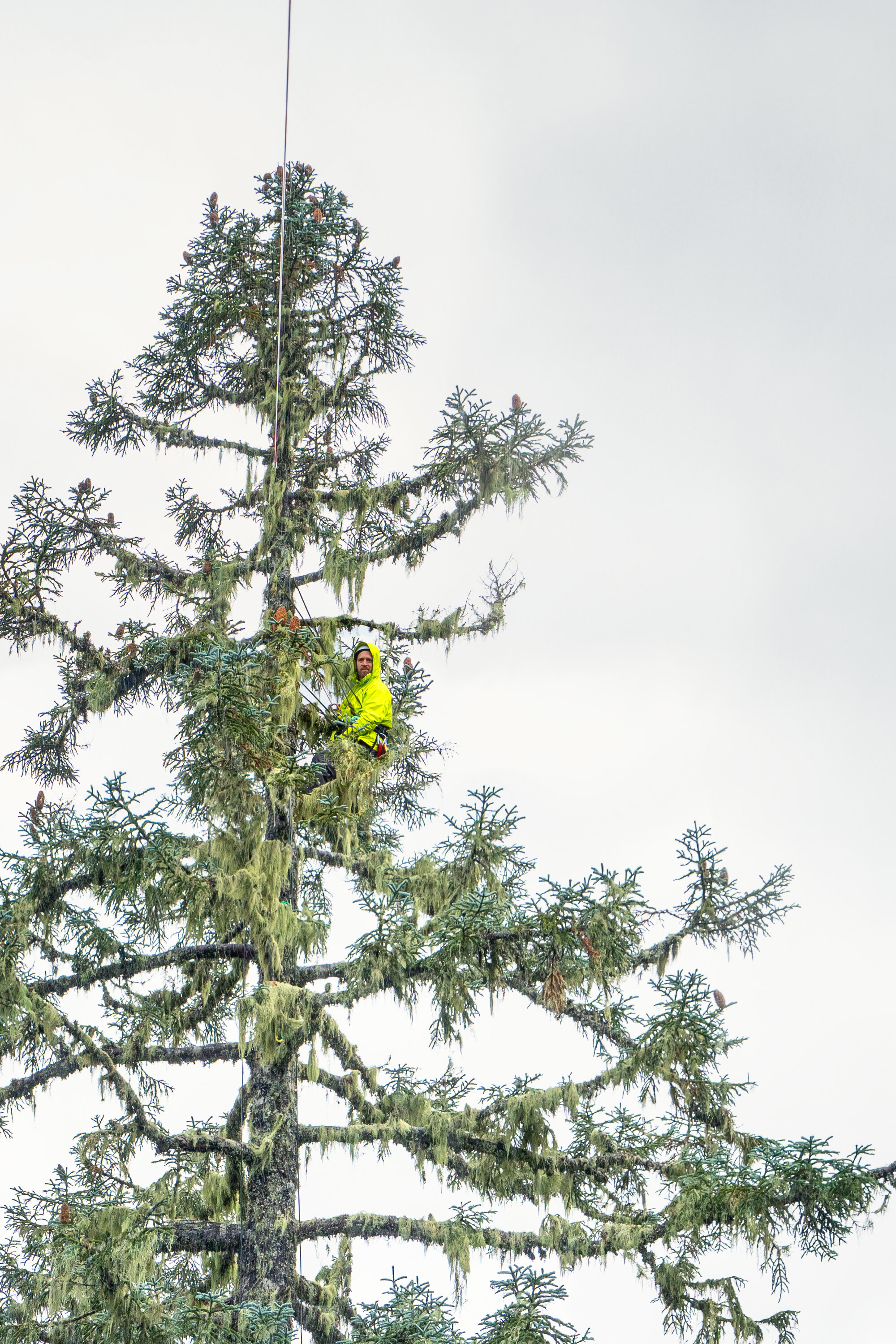
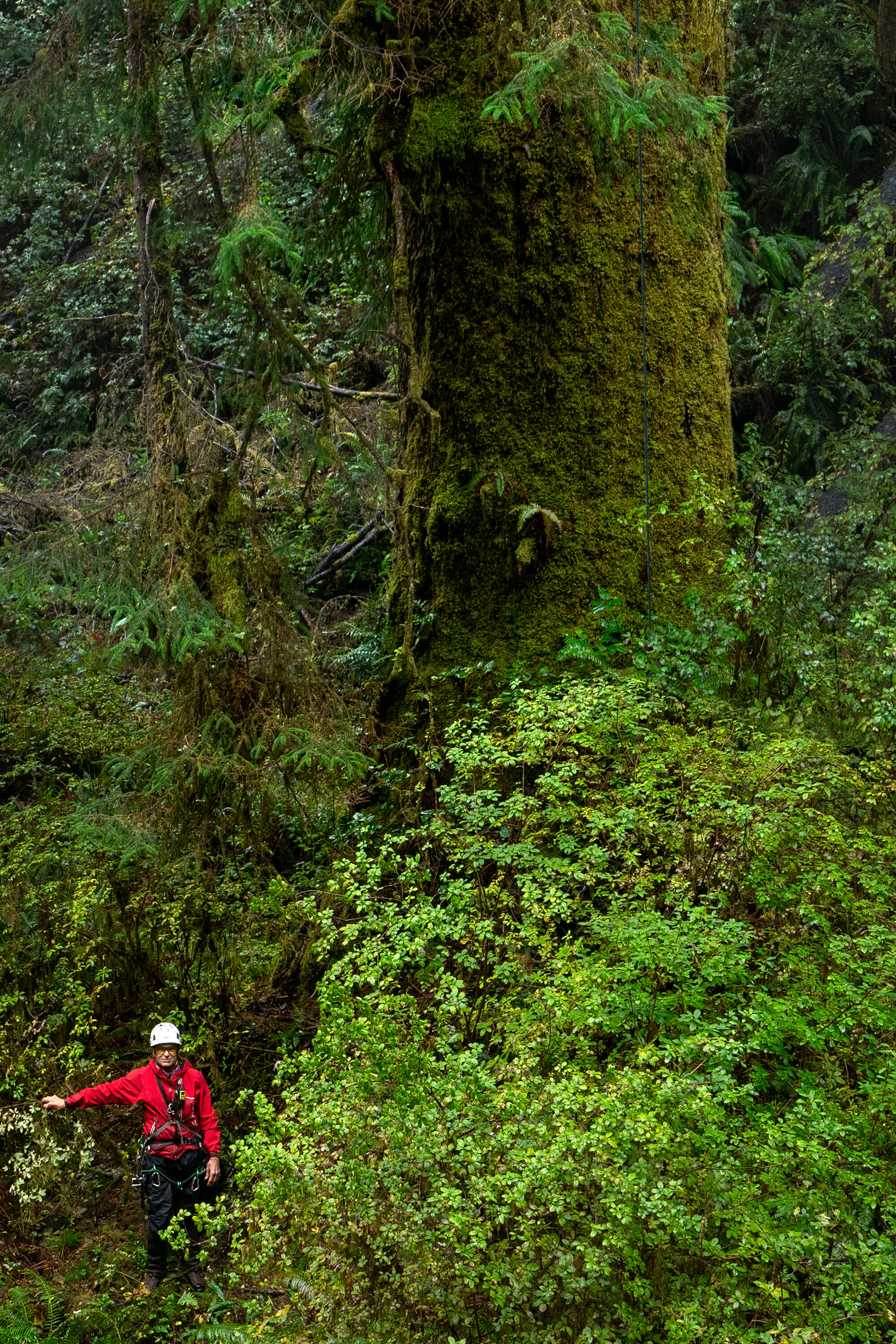
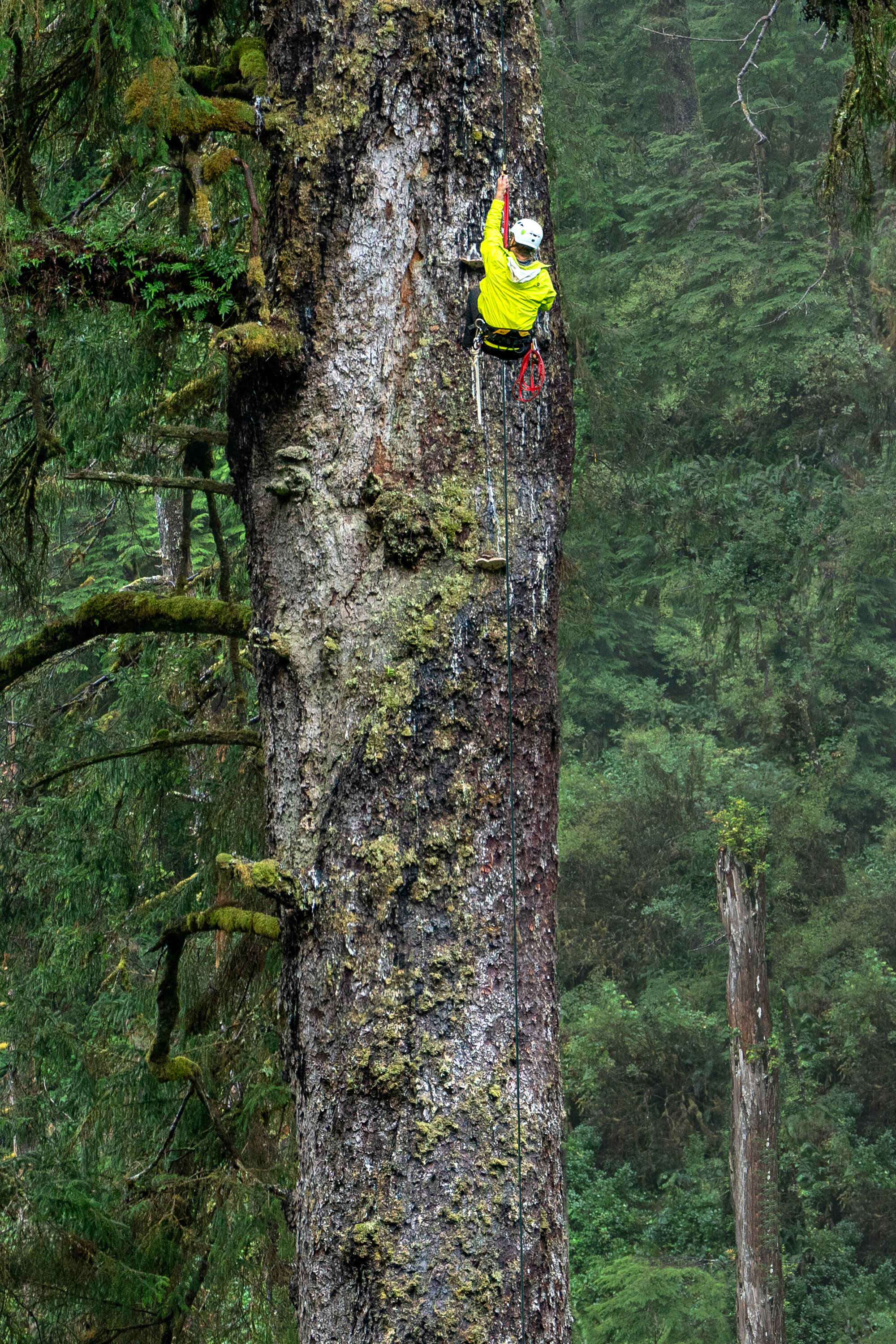
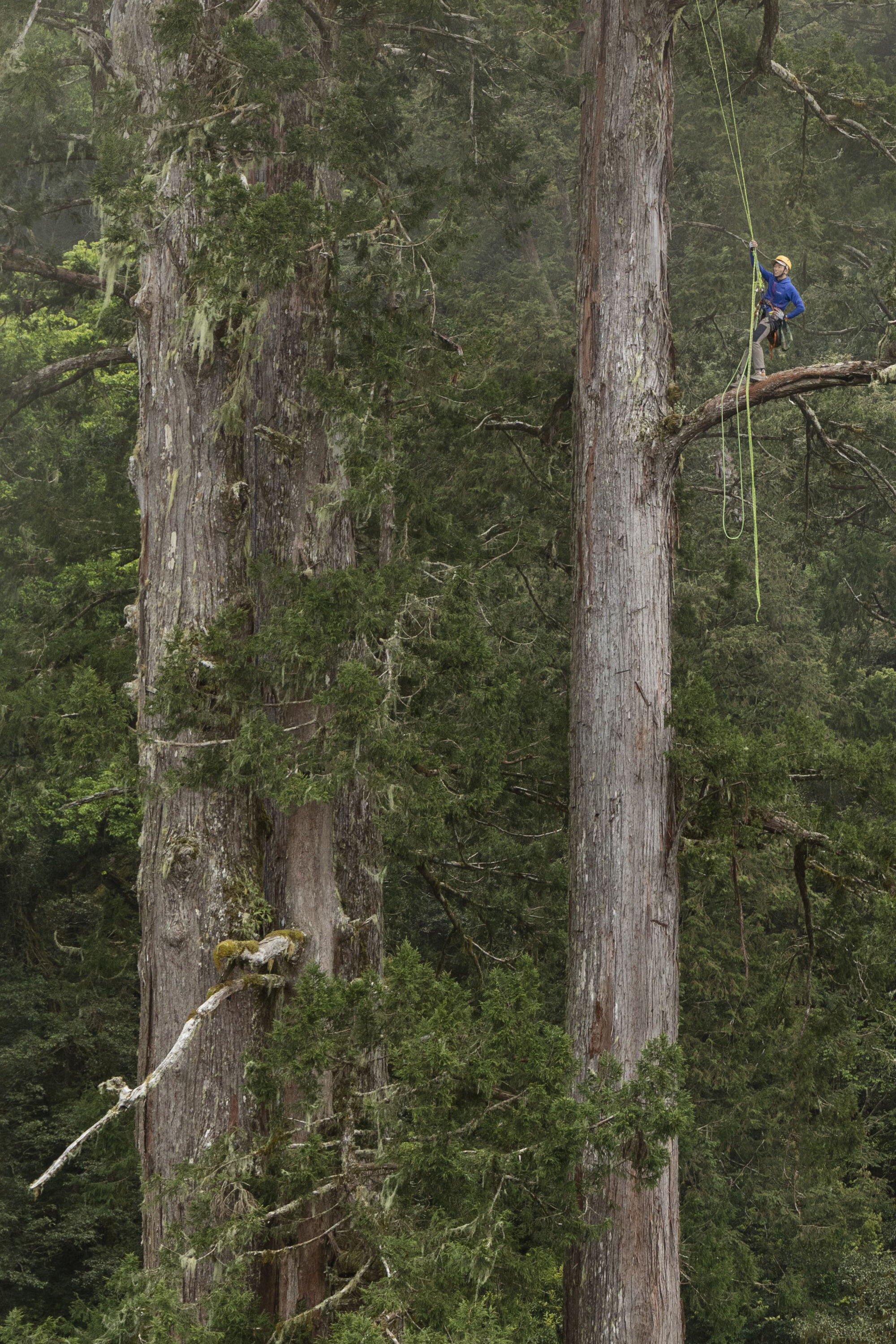
Over the last 9 years we have travelled the world to photograph giant trees. We use our skills as climbers, photographers and scientists we find, build our systems and study each tree.

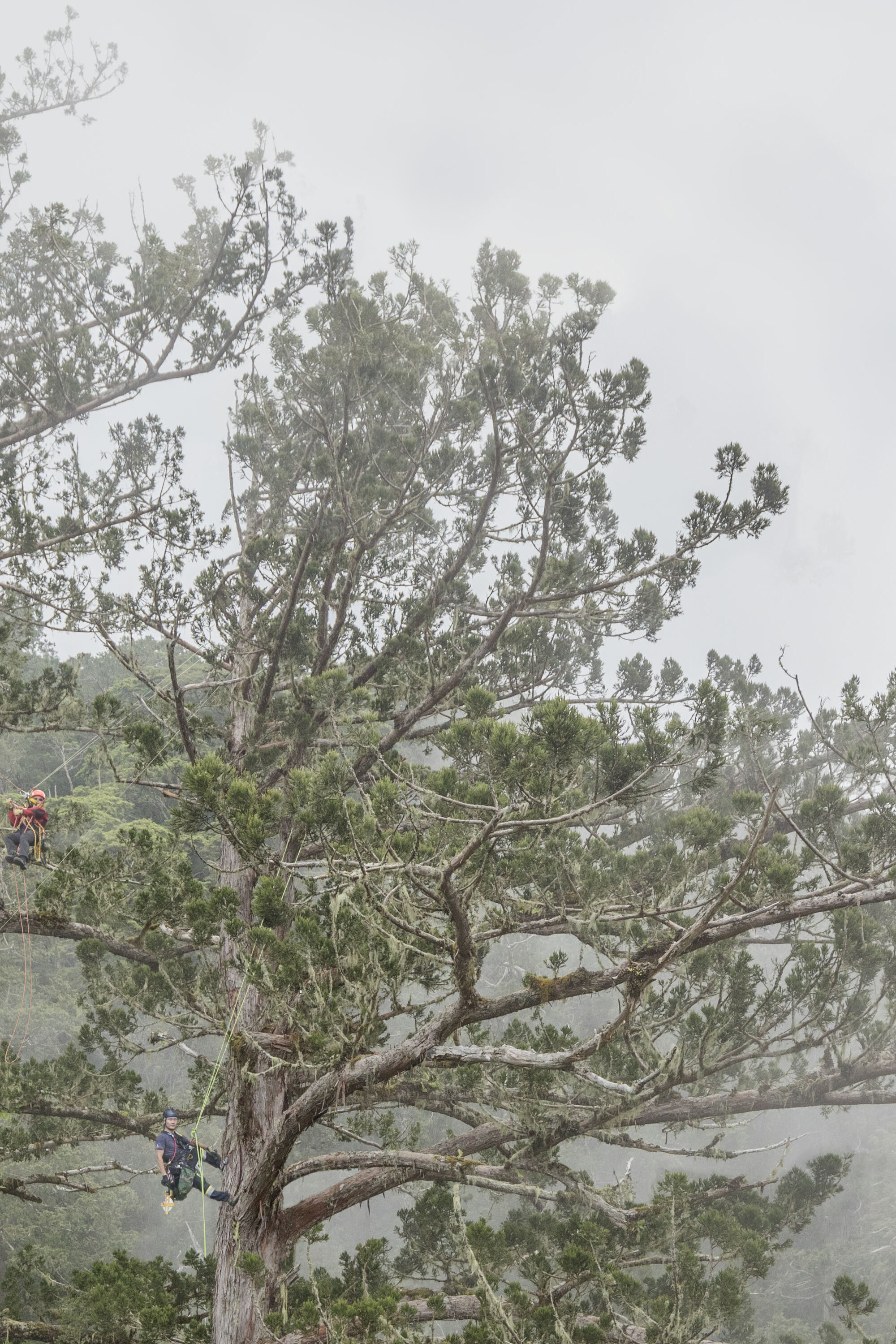
Photographing a 80 metre tall tree in a dense forests is one job. But our biggest task is to wait. We chose to wait for the ideal weather conditions so that we not only document the subject but also the climate that produces these giants.
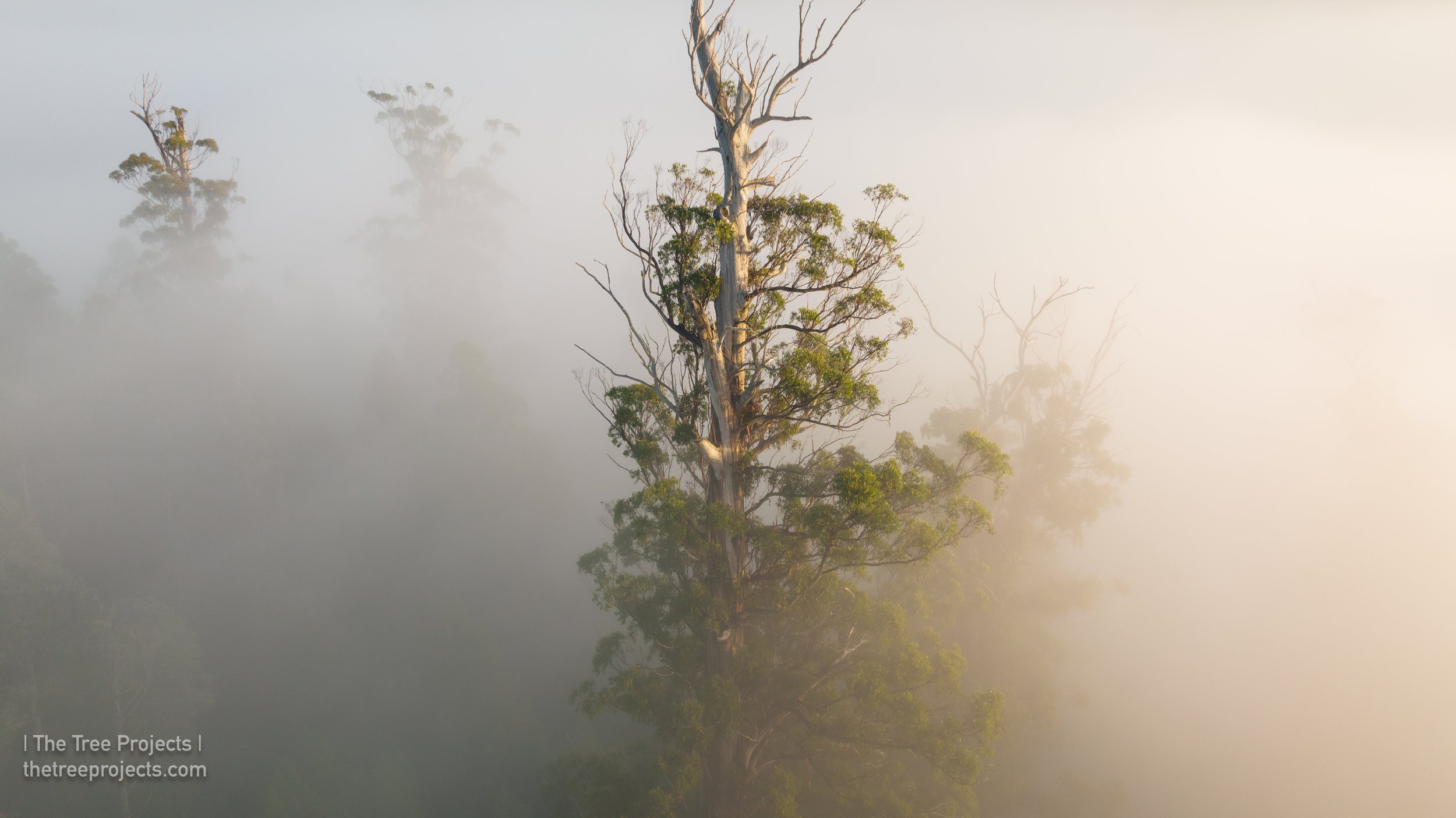
This pathway of considered creativity mixed with scientific endeavour and positive messaging is how we have managed to continue this work. Rather than being exhausted at the completion of each project we have been inspired to create the next with bigger and better goals.
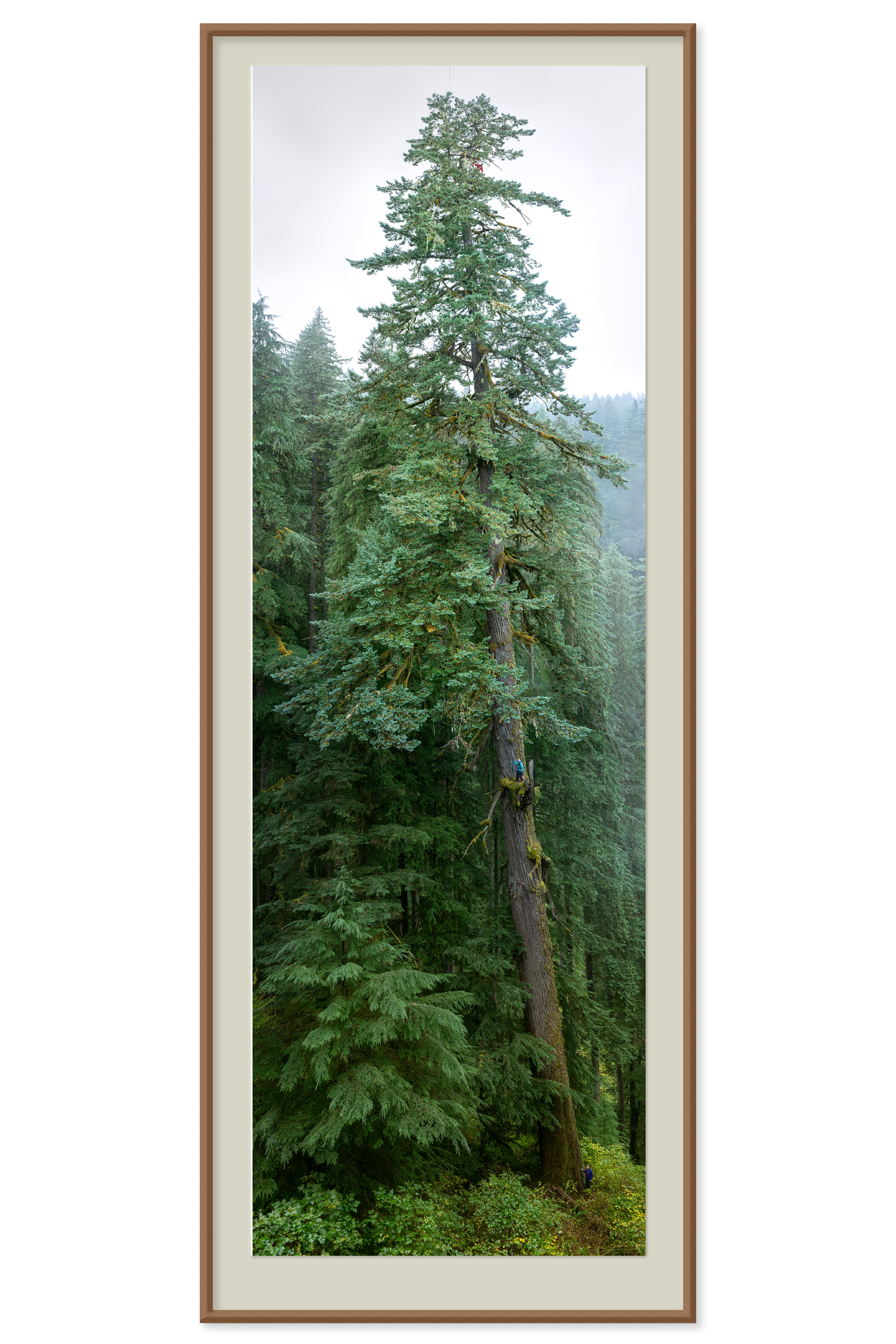
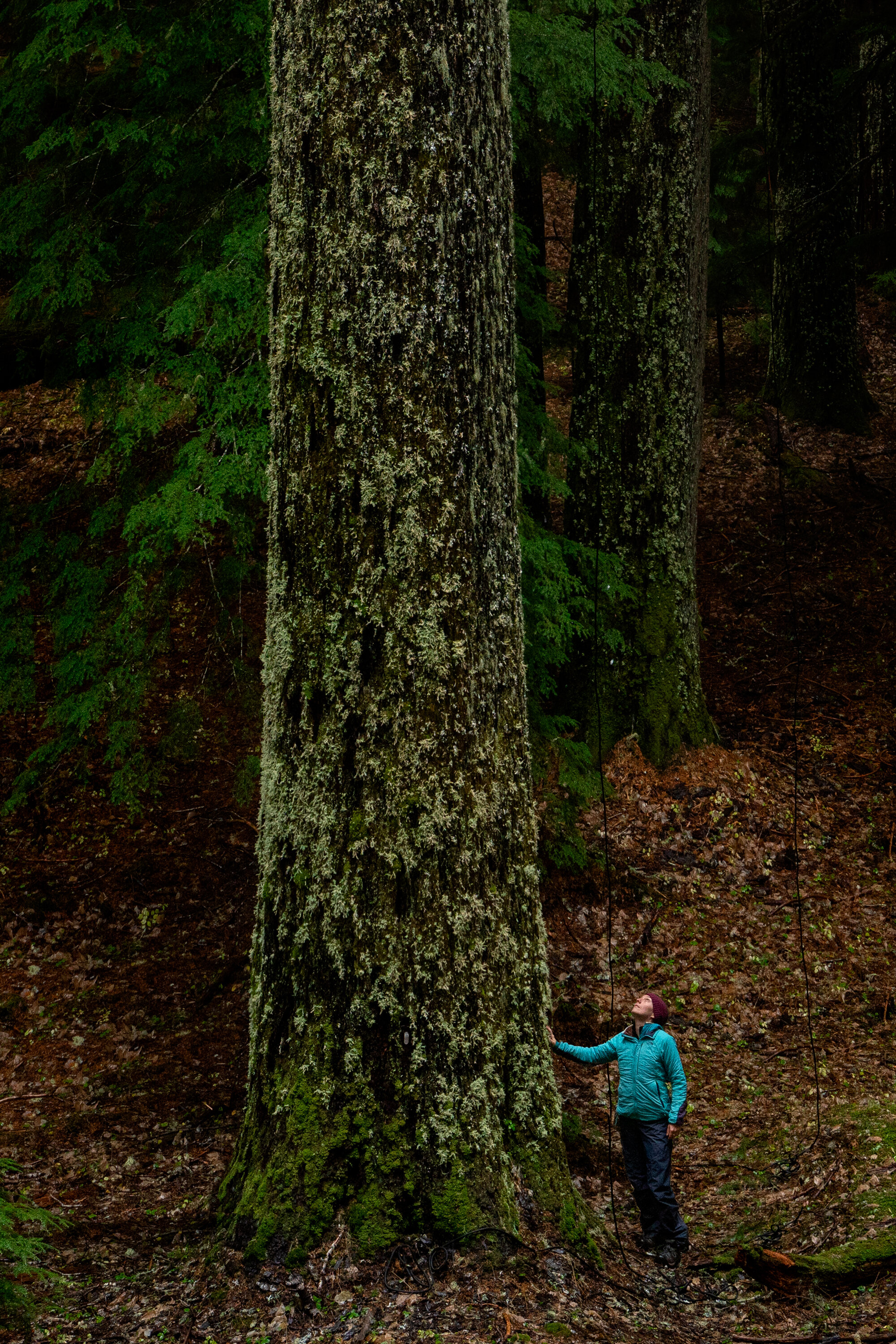
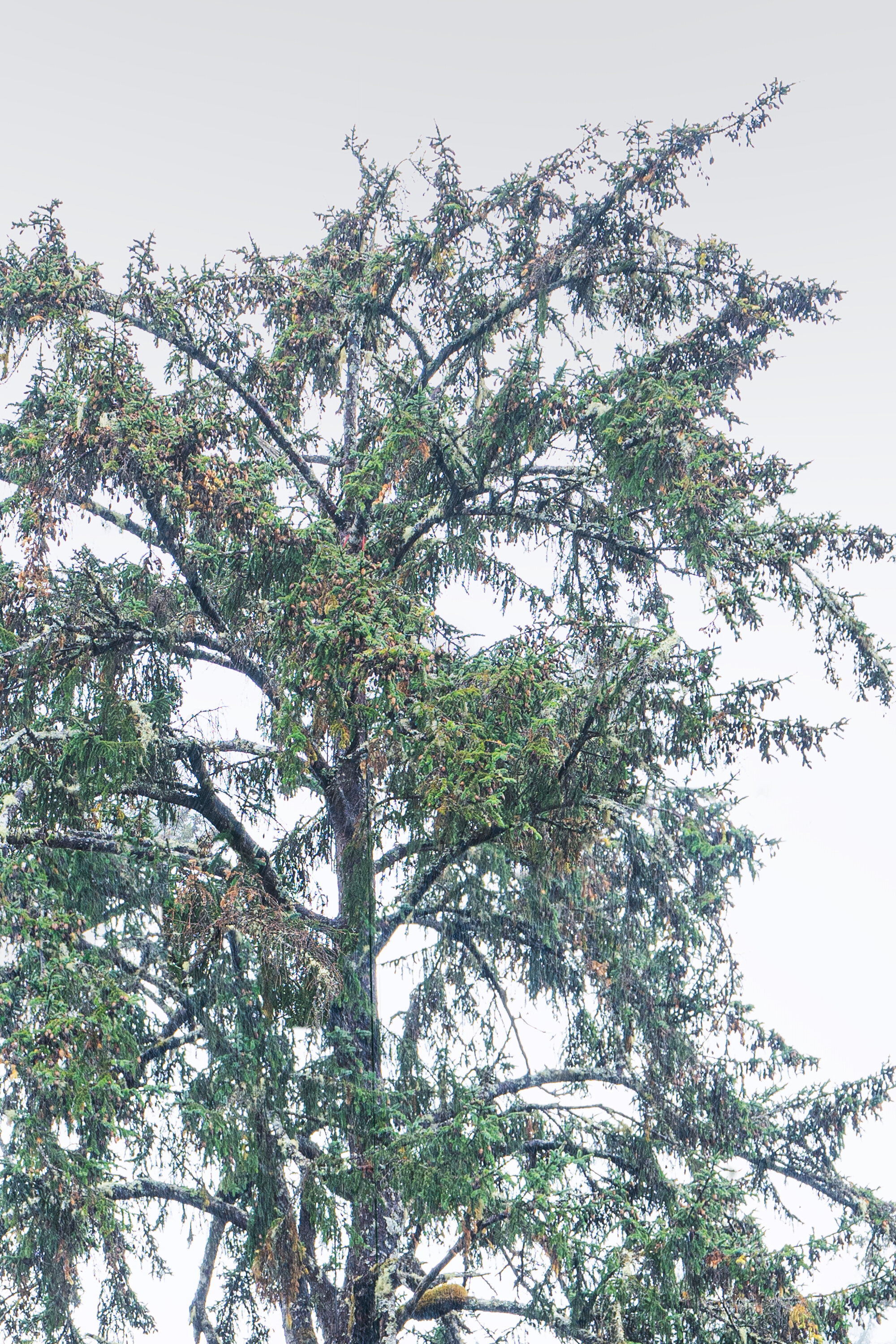
2018 Leaning Veteran, Oregon USA (Douglas Fir)
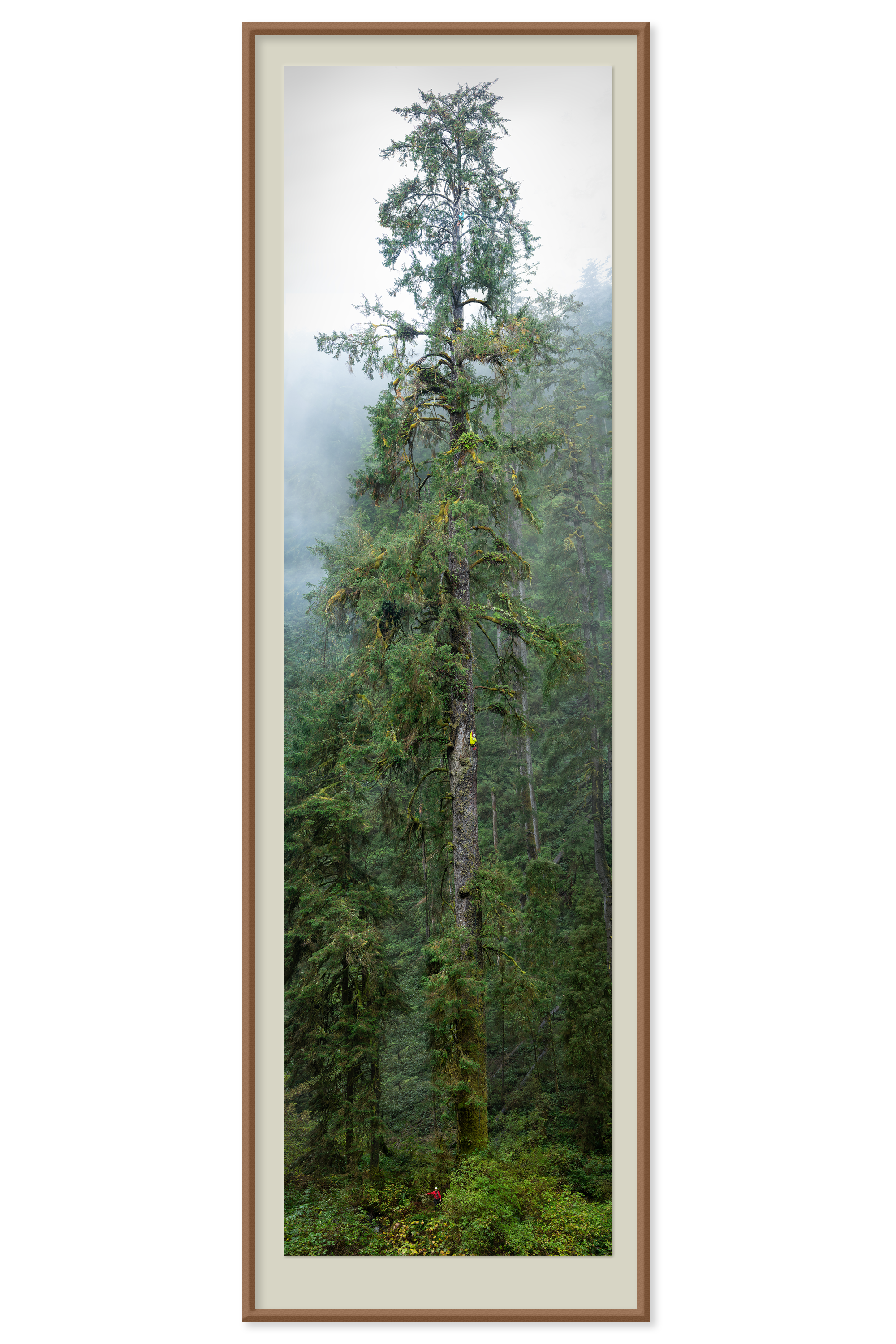
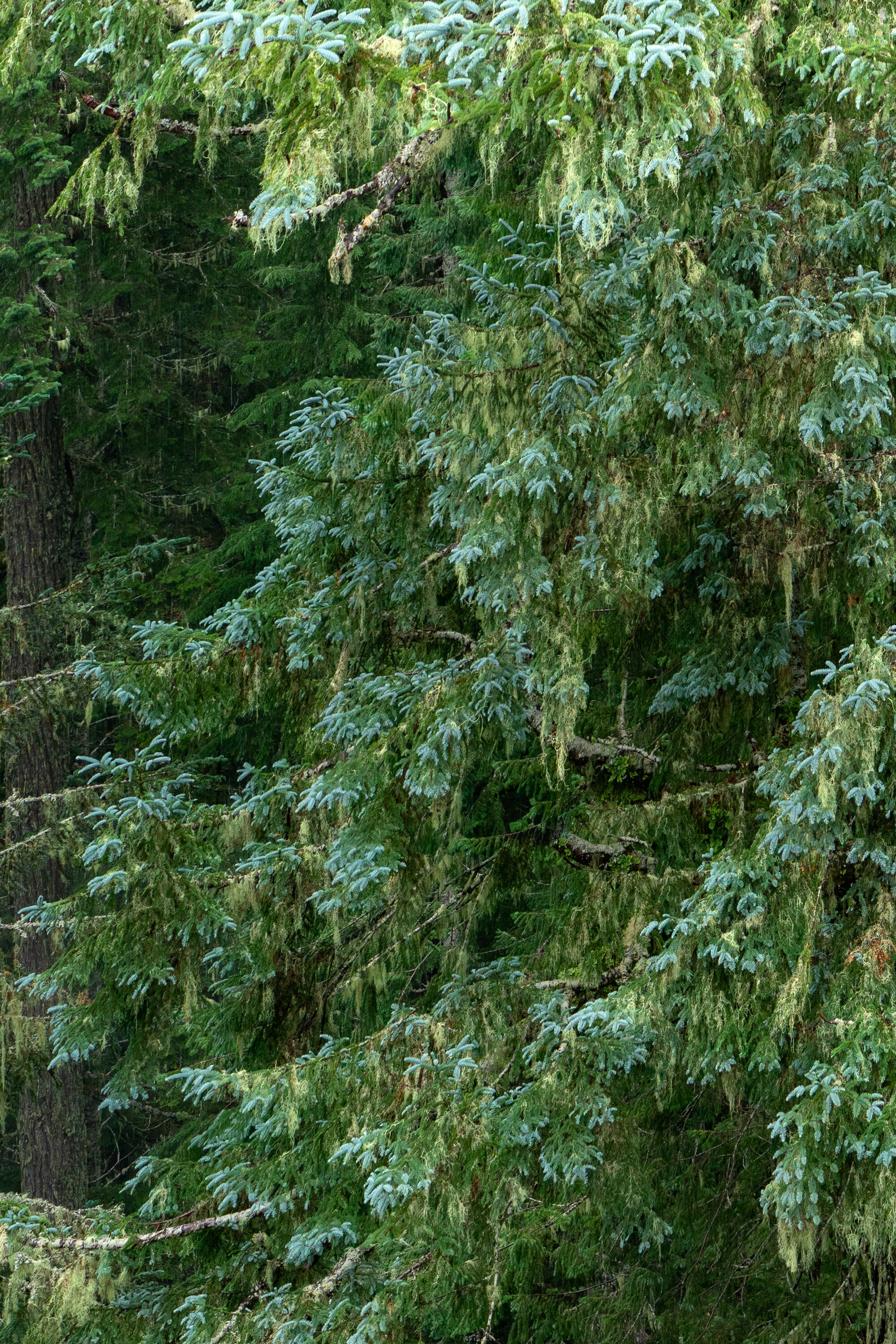
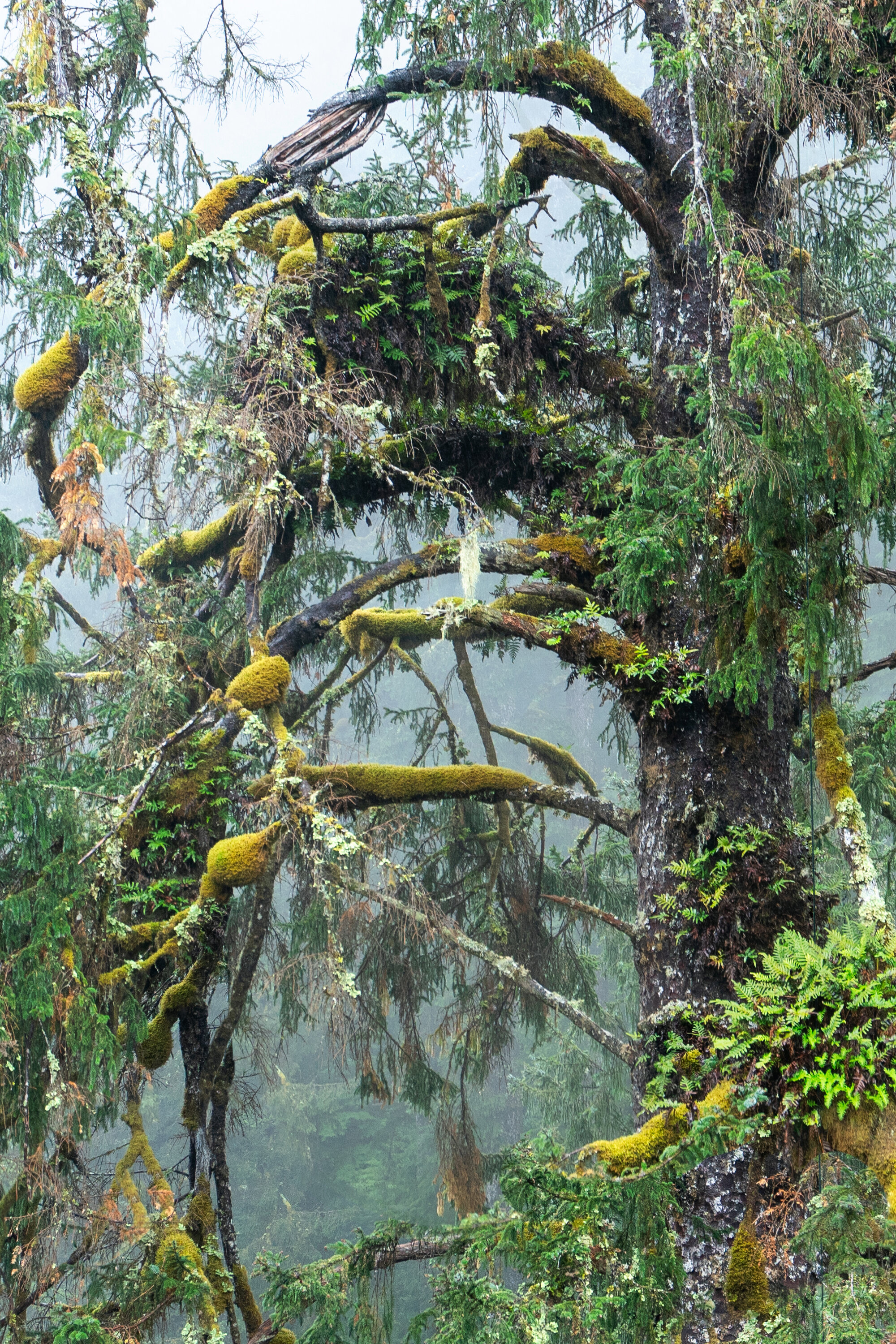
2018 Coastal Giant, Oregon USA (Sitka Spruce)
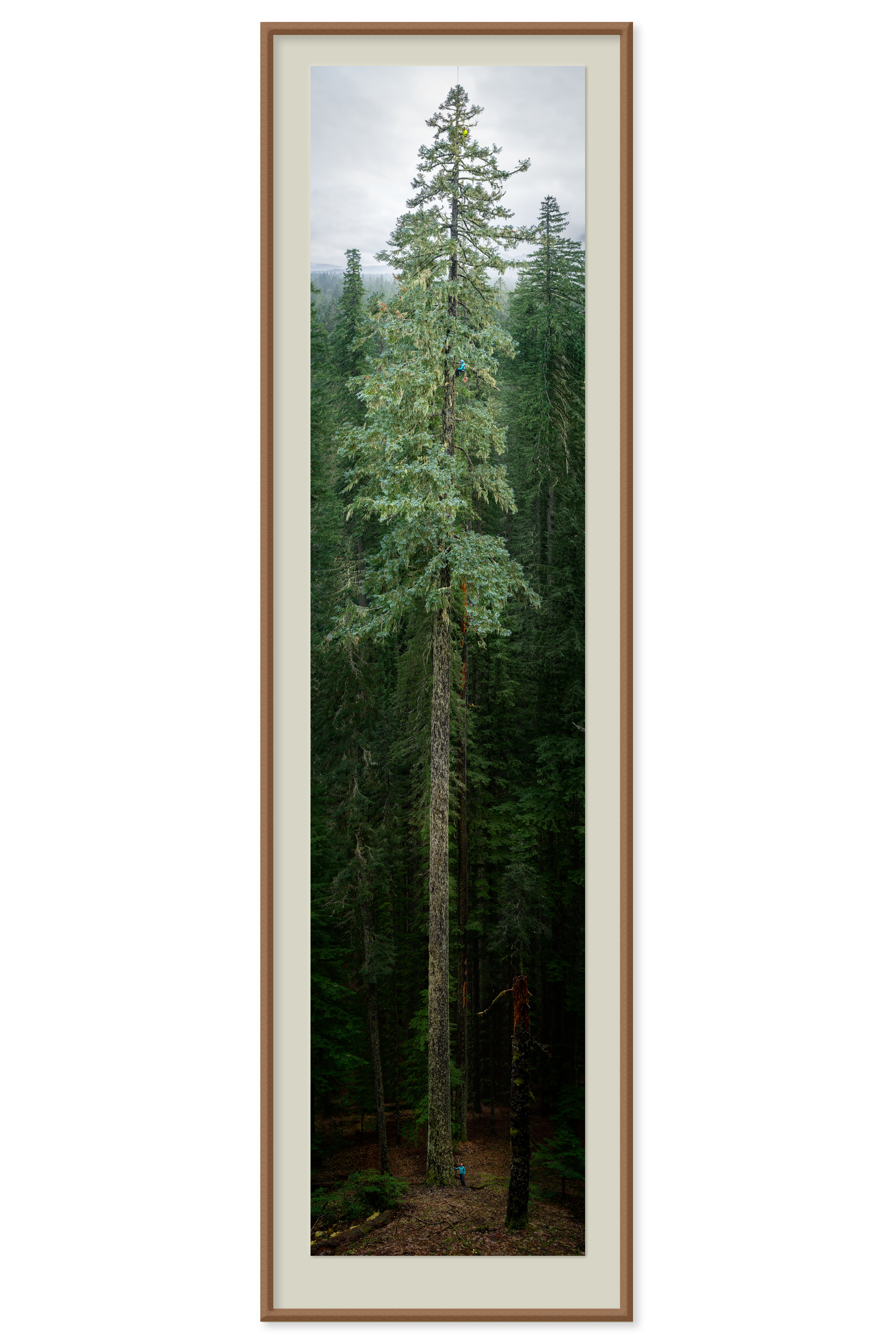
2018 Volcanic Pioneer, Washington USA (Noble Fir)
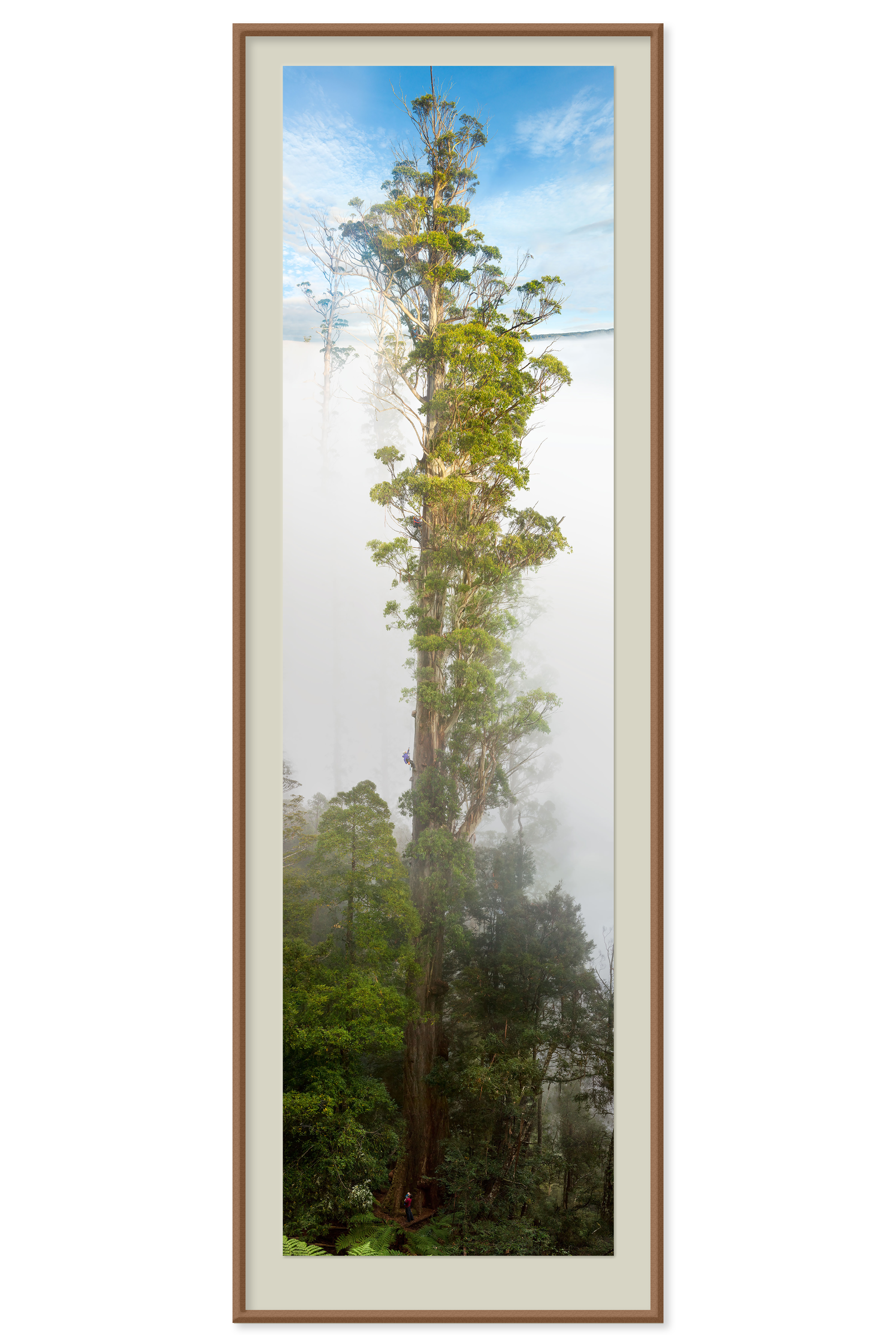
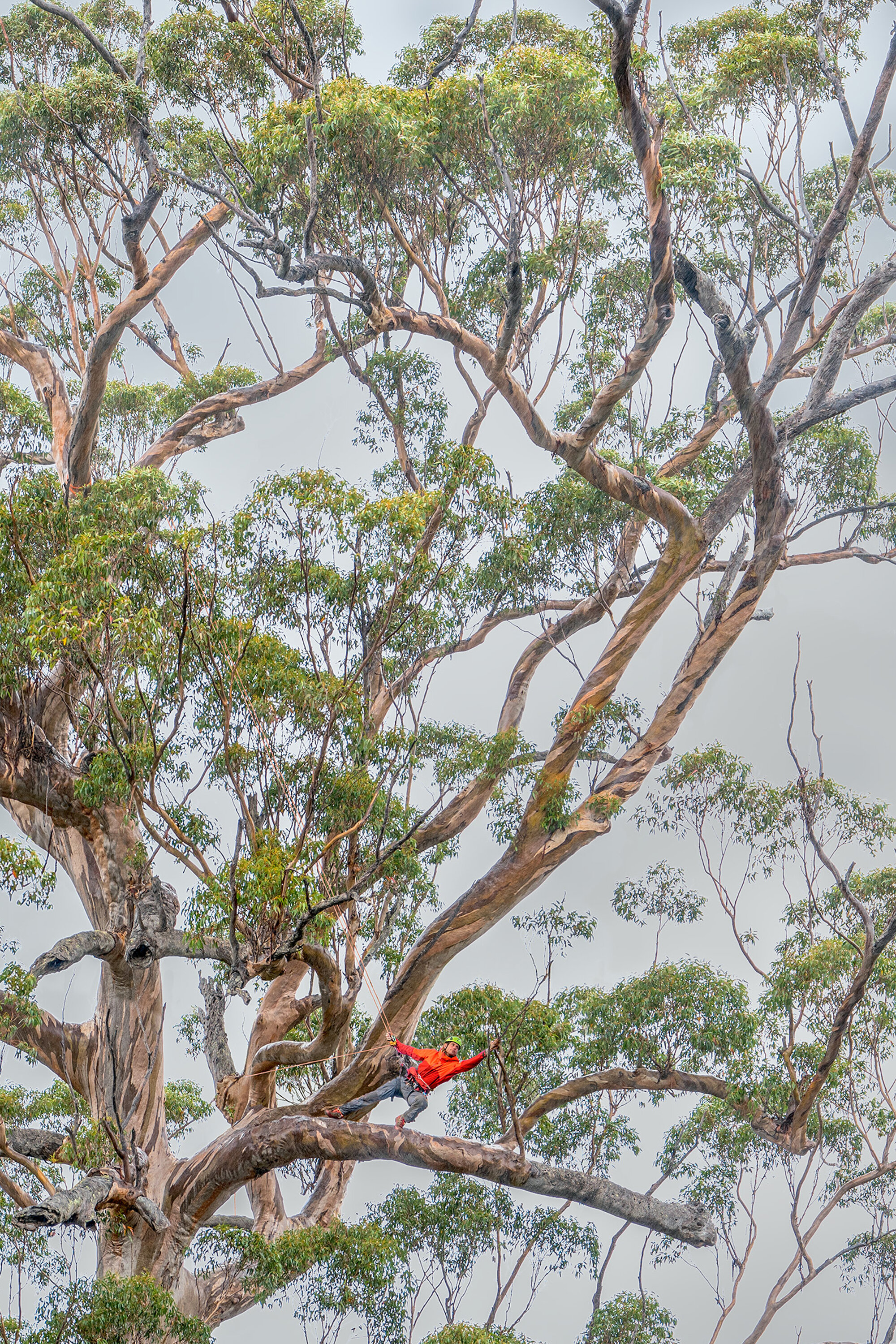
2016 Gandalf's Staff, Tasmania (Eucalyptus regnans)
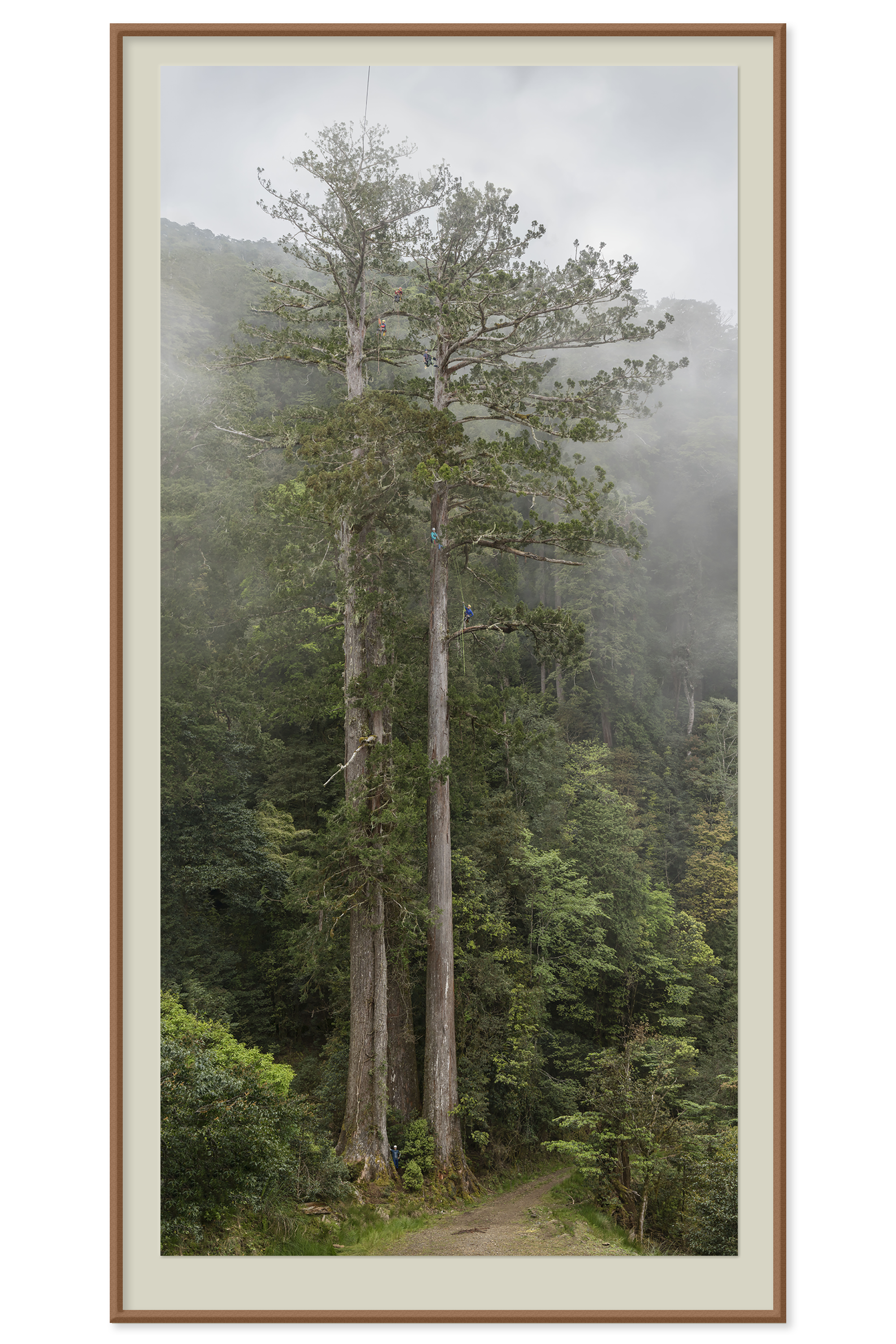
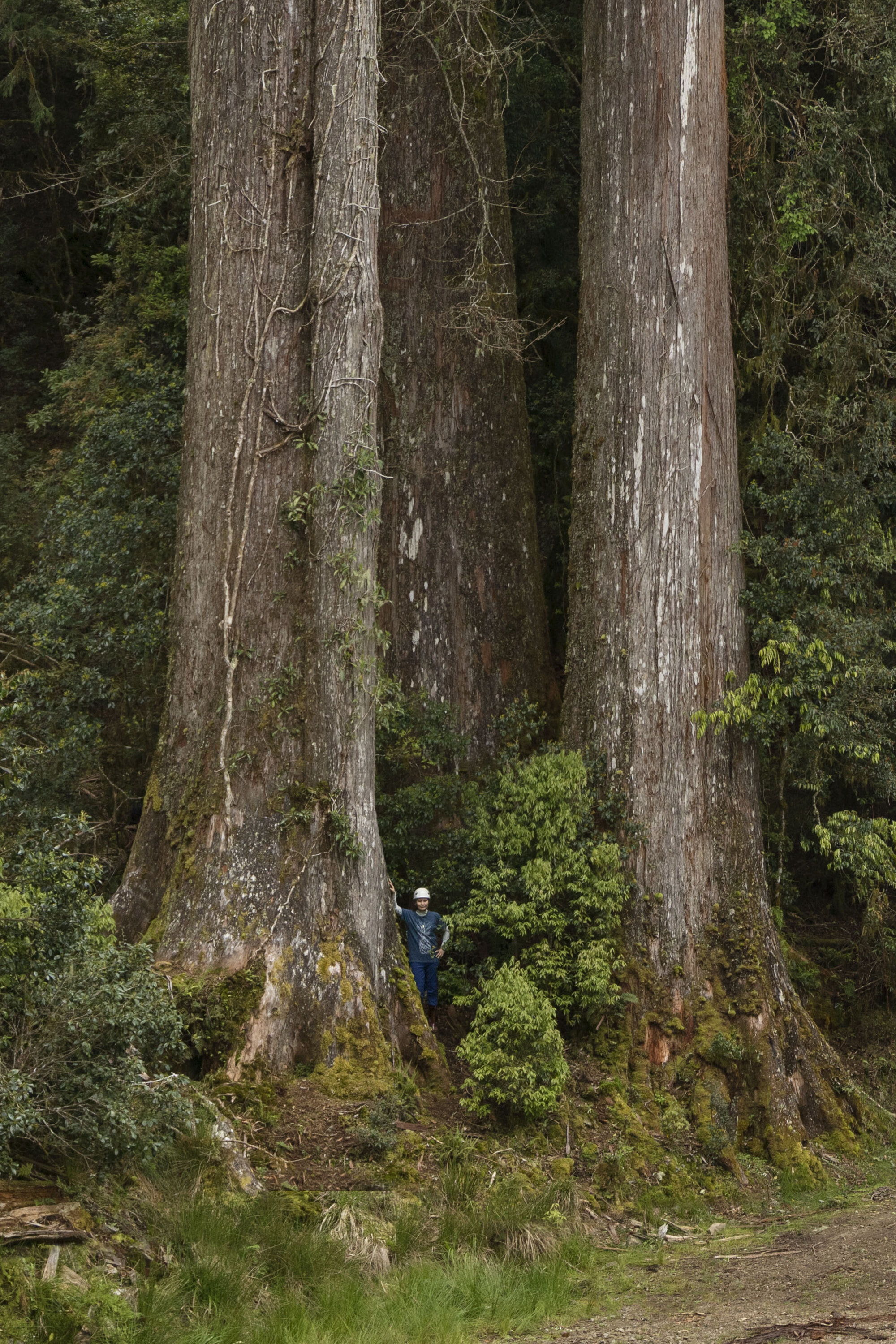
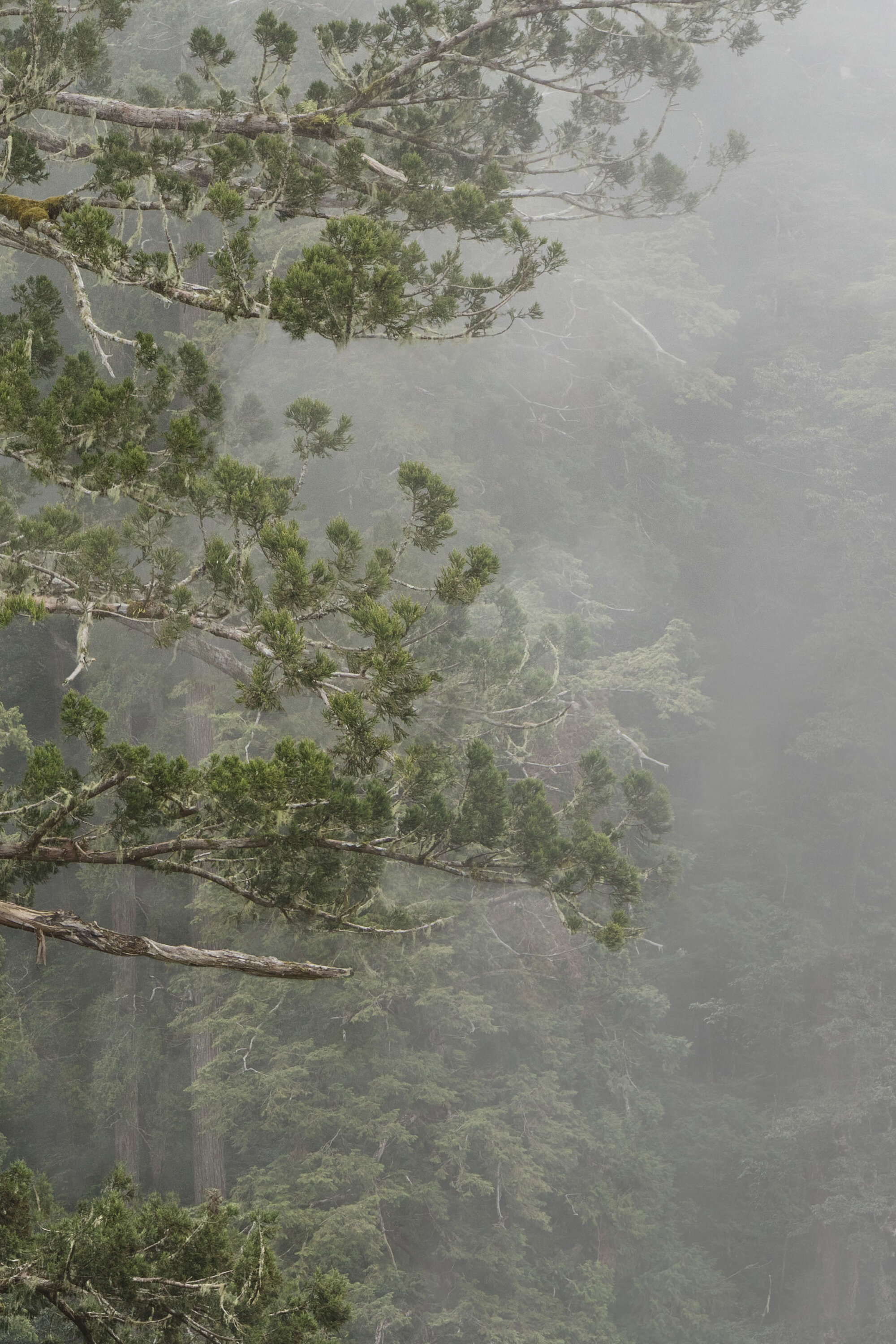
2017 The Three Sisters, Taiwan (Taiwania cryptomerioides)
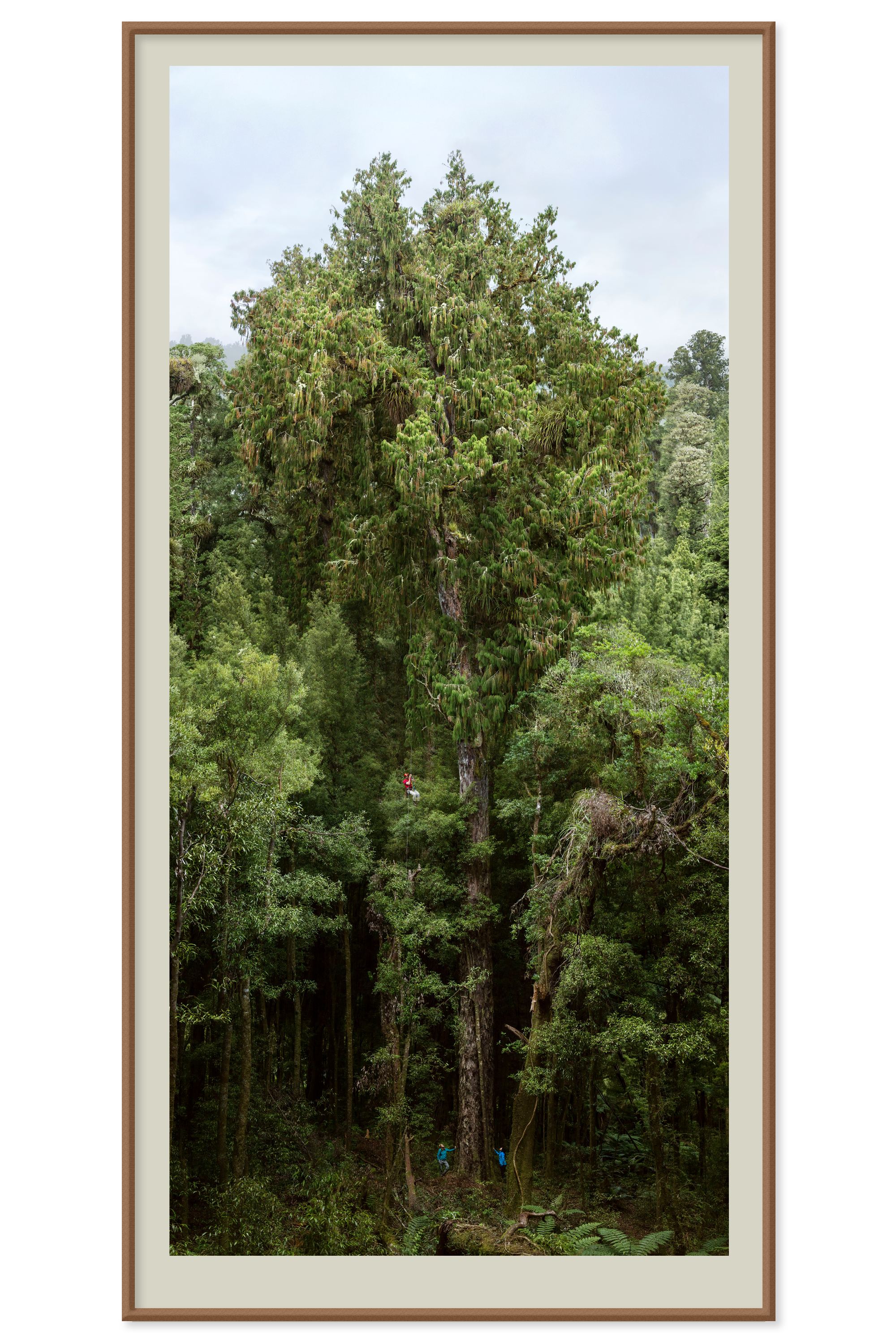
2015 Rimu, New Zealand (Dacrydium cupressinum)
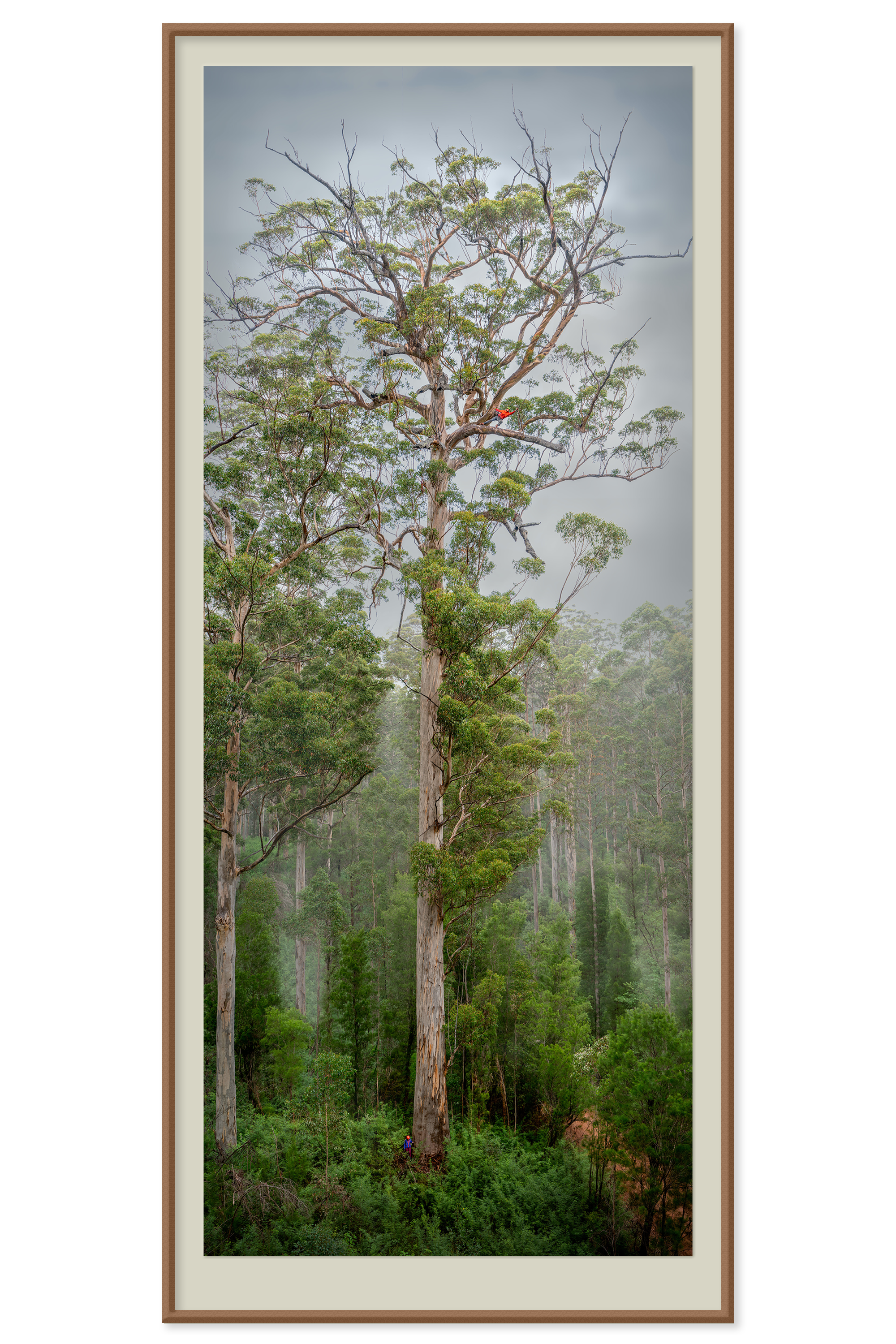
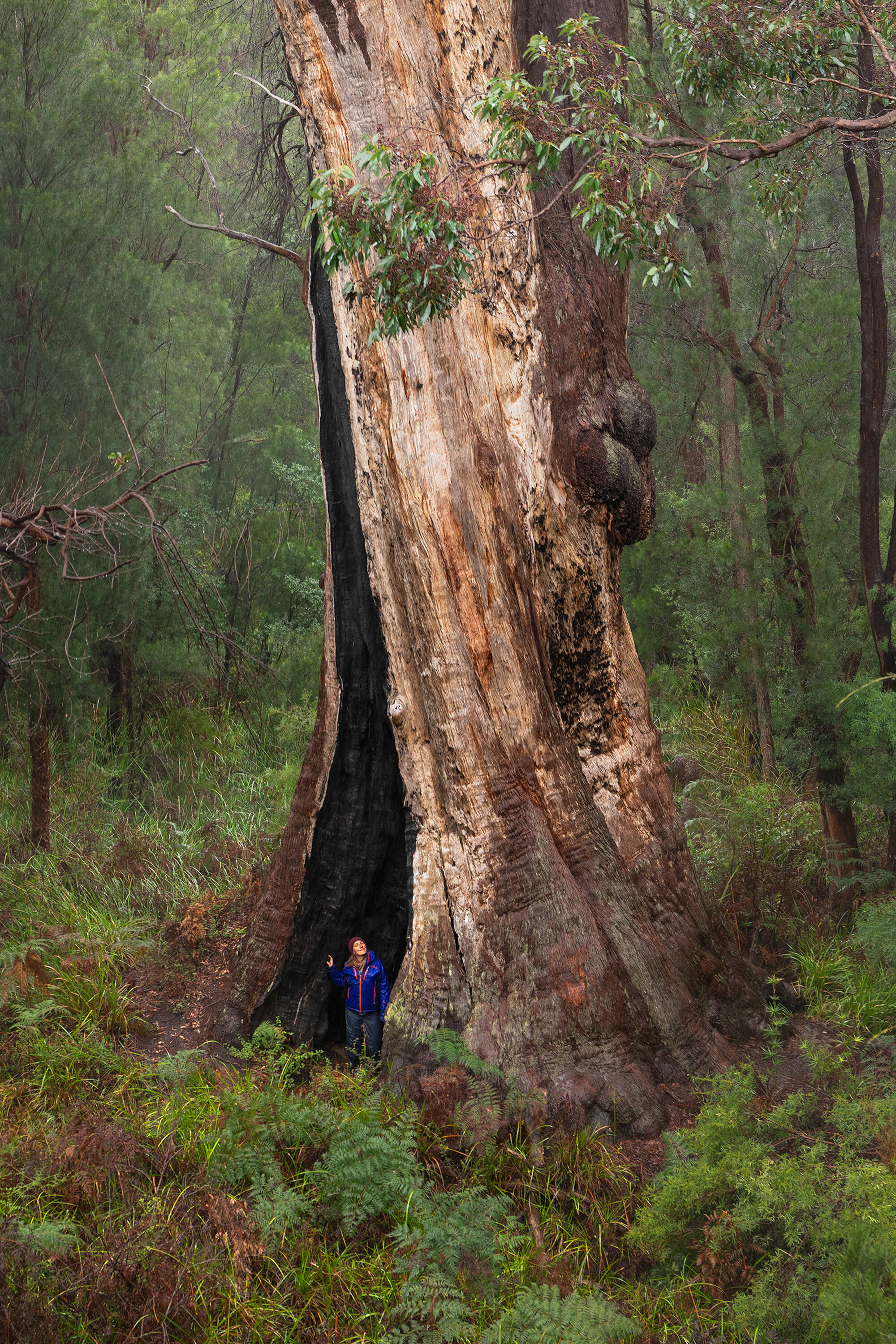
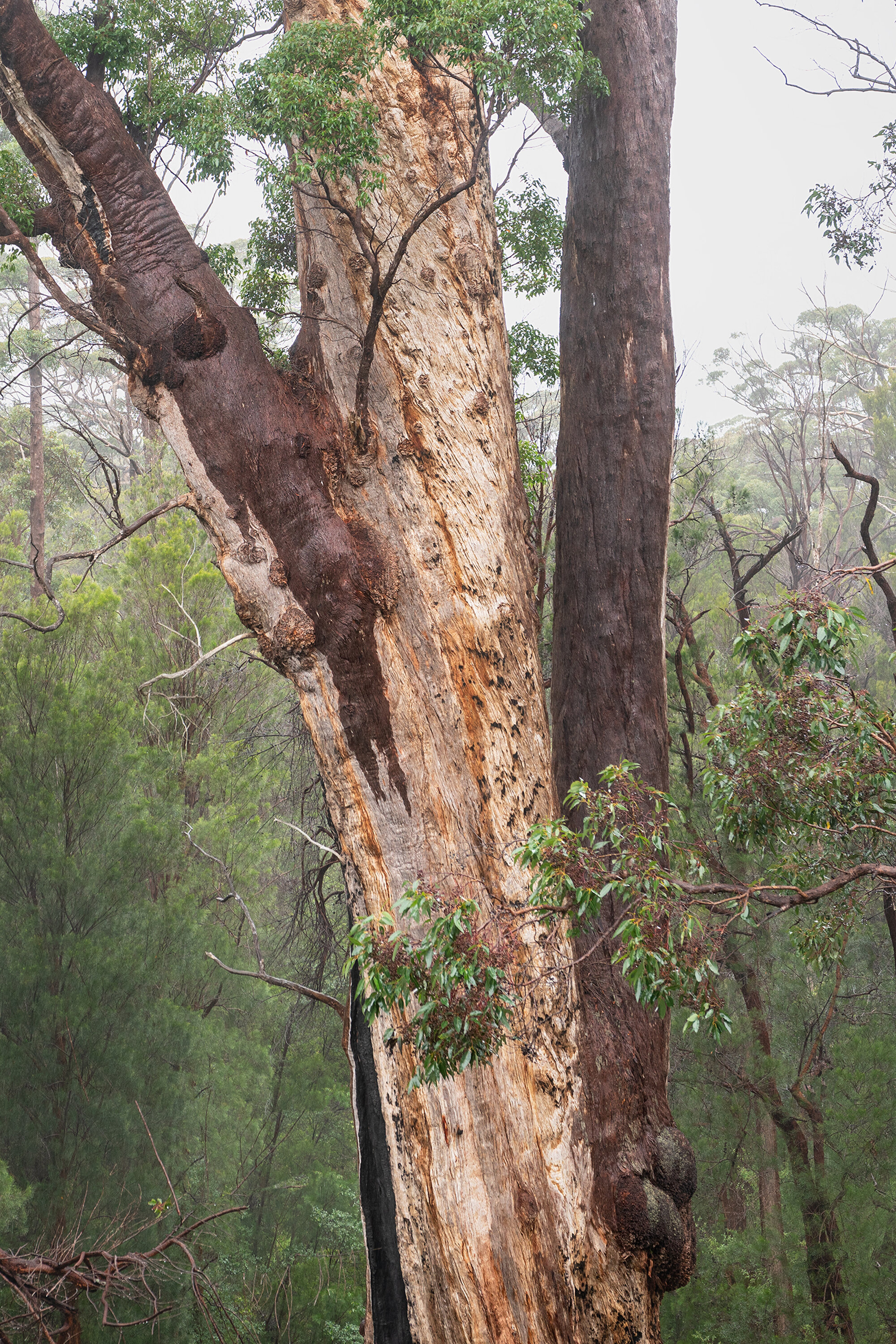
2019 King Karri, Western Australia (Eucalyptus diversicolor)
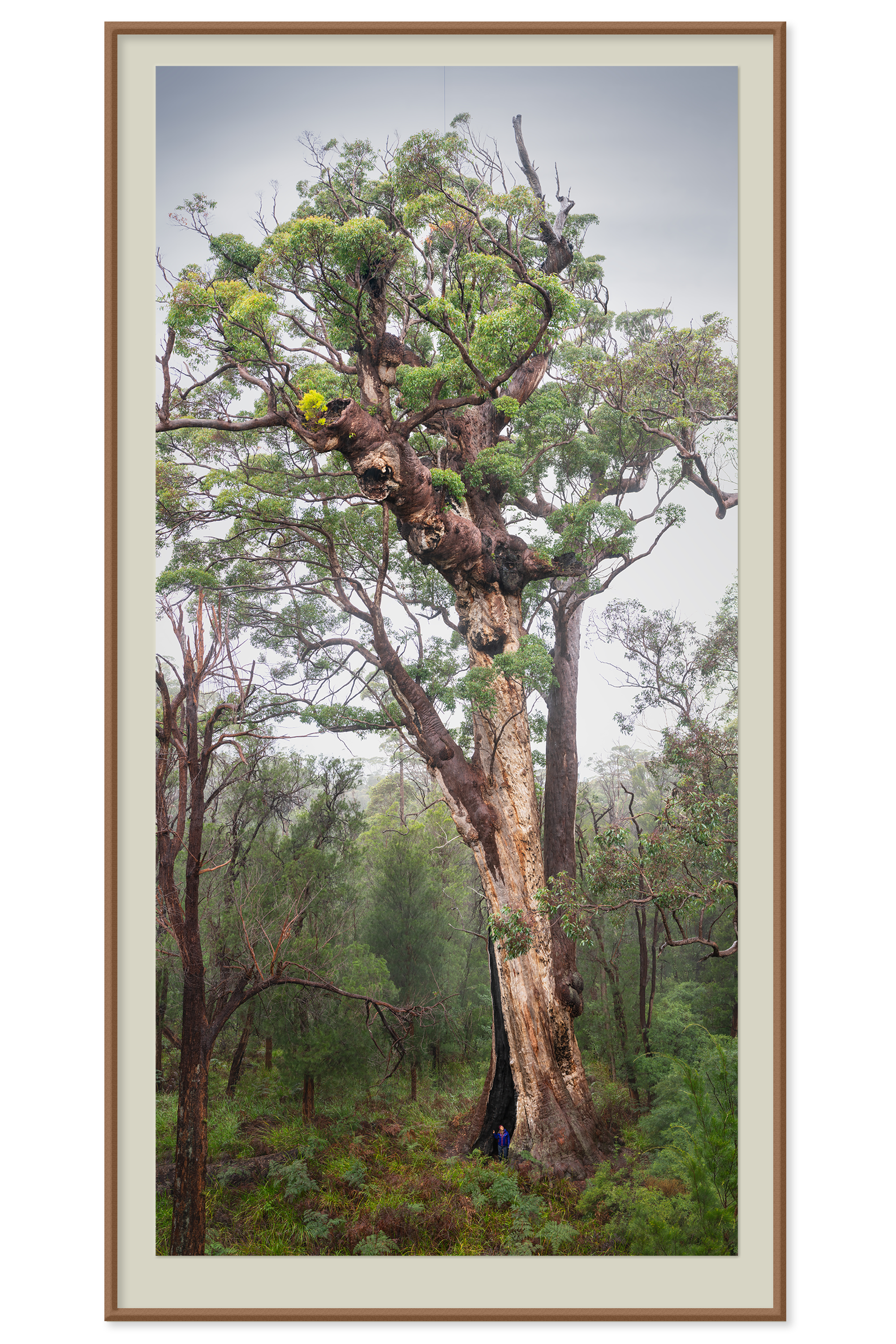
2019 Walpole Excellence, Western Australia (Eucalyptus jacksonii)
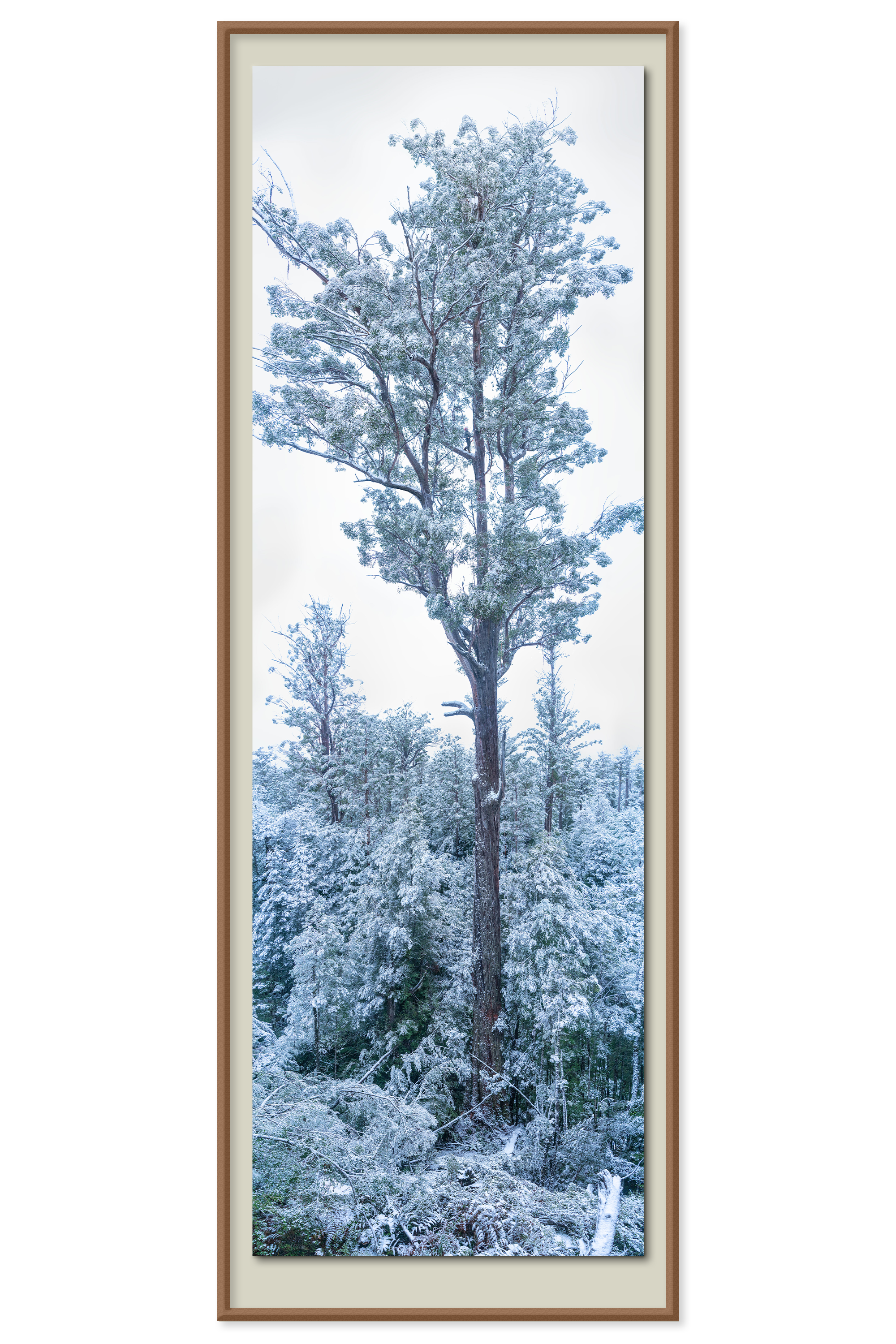
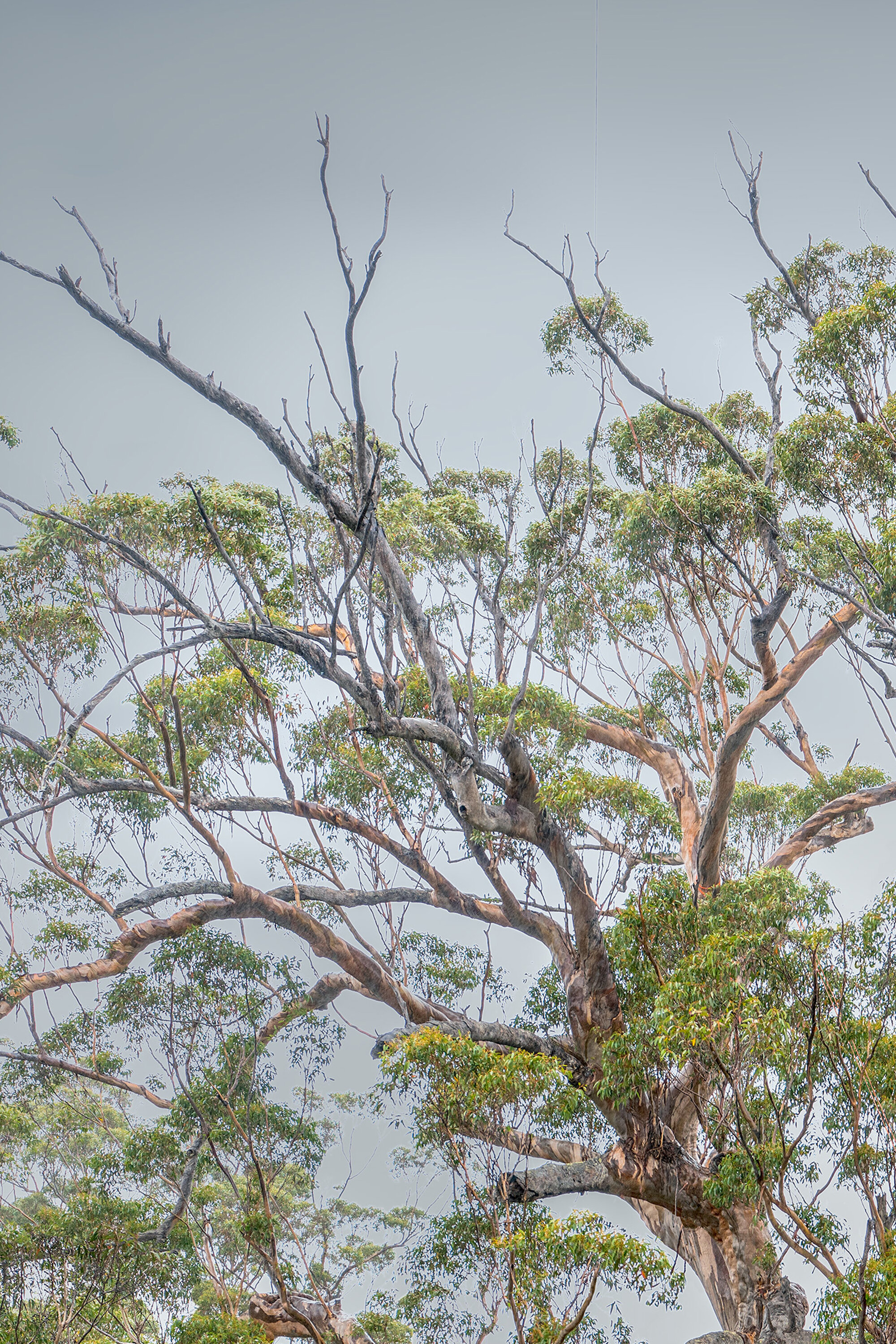
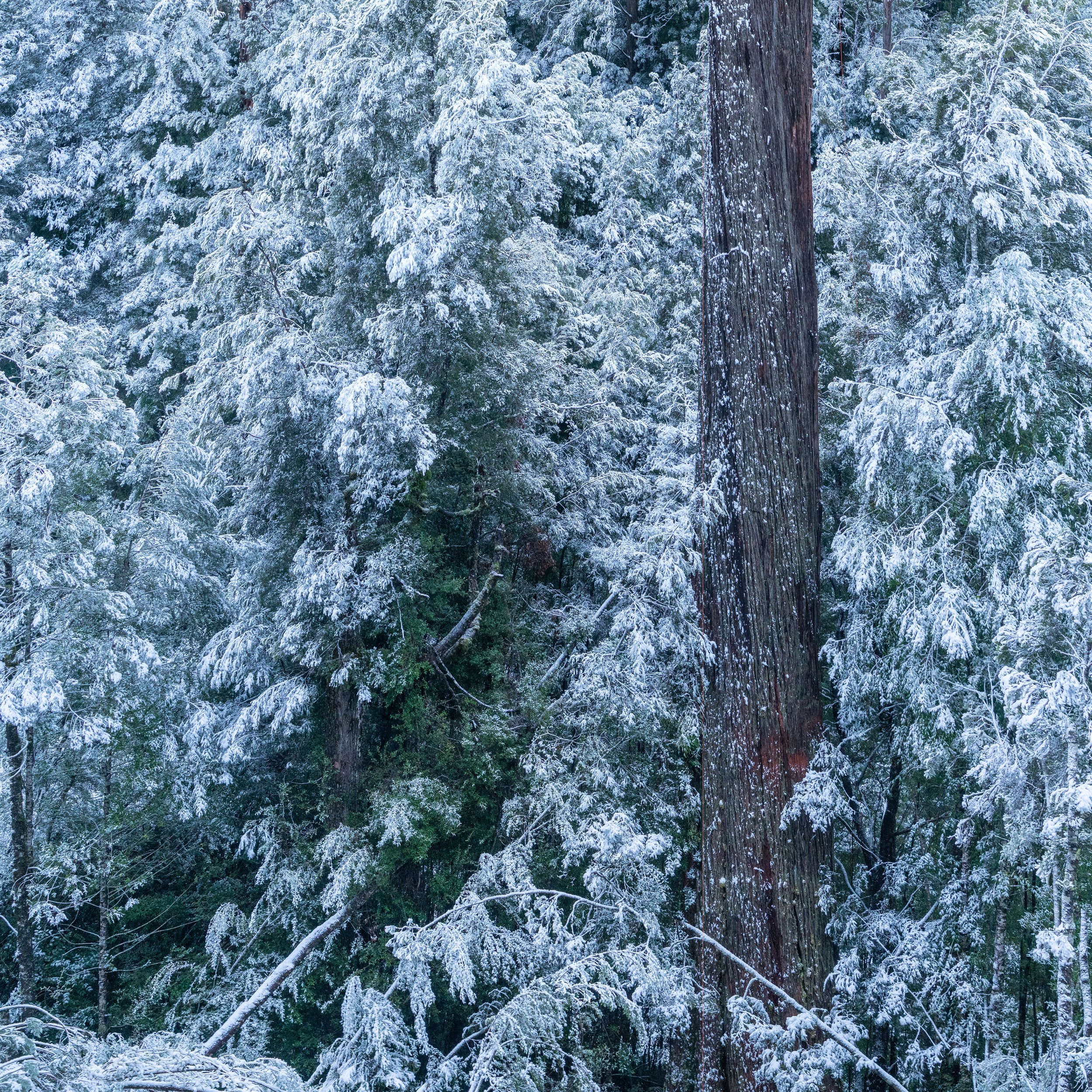
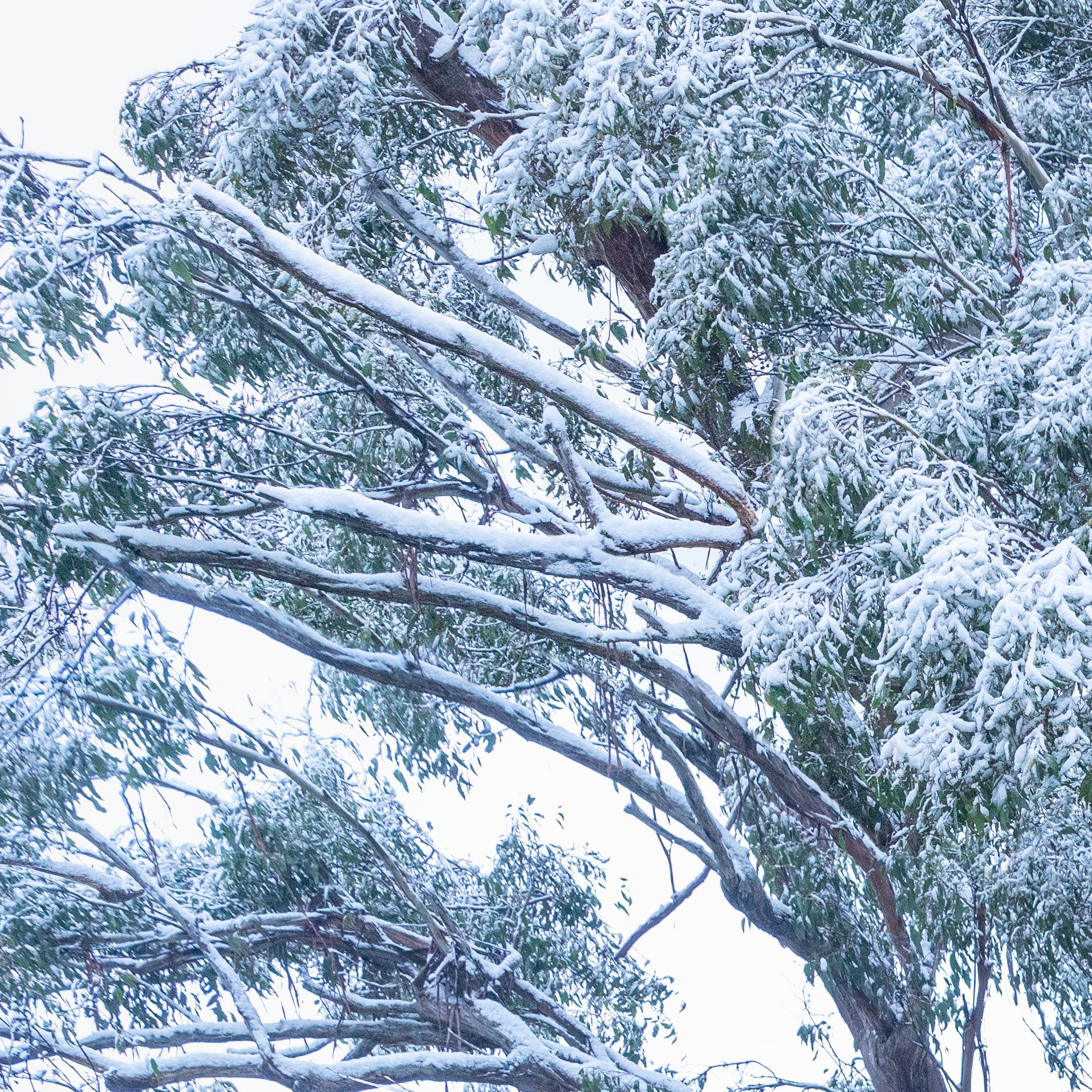
2021 Winter Trident, Tasmania (Eucalyptus obliqua)
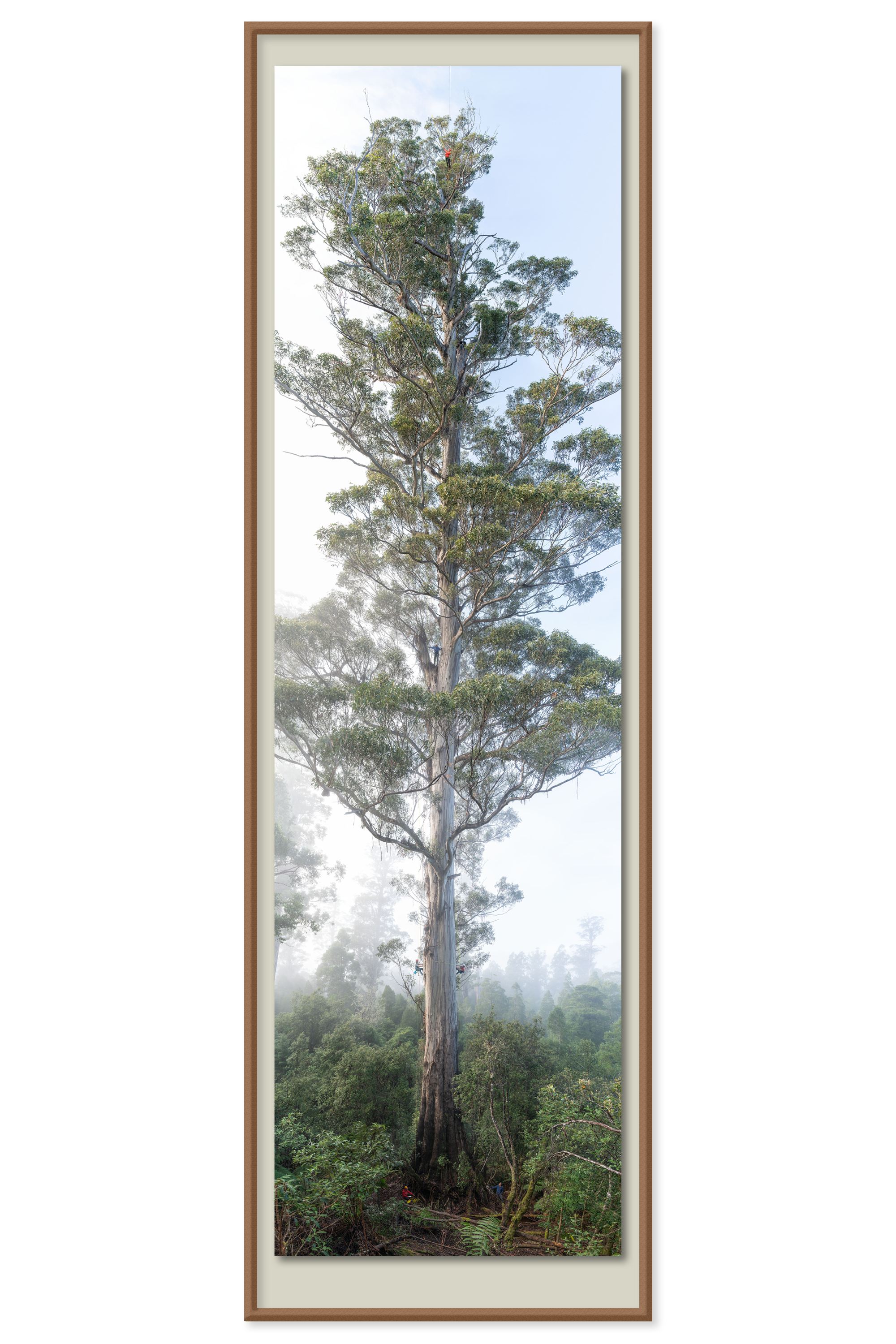
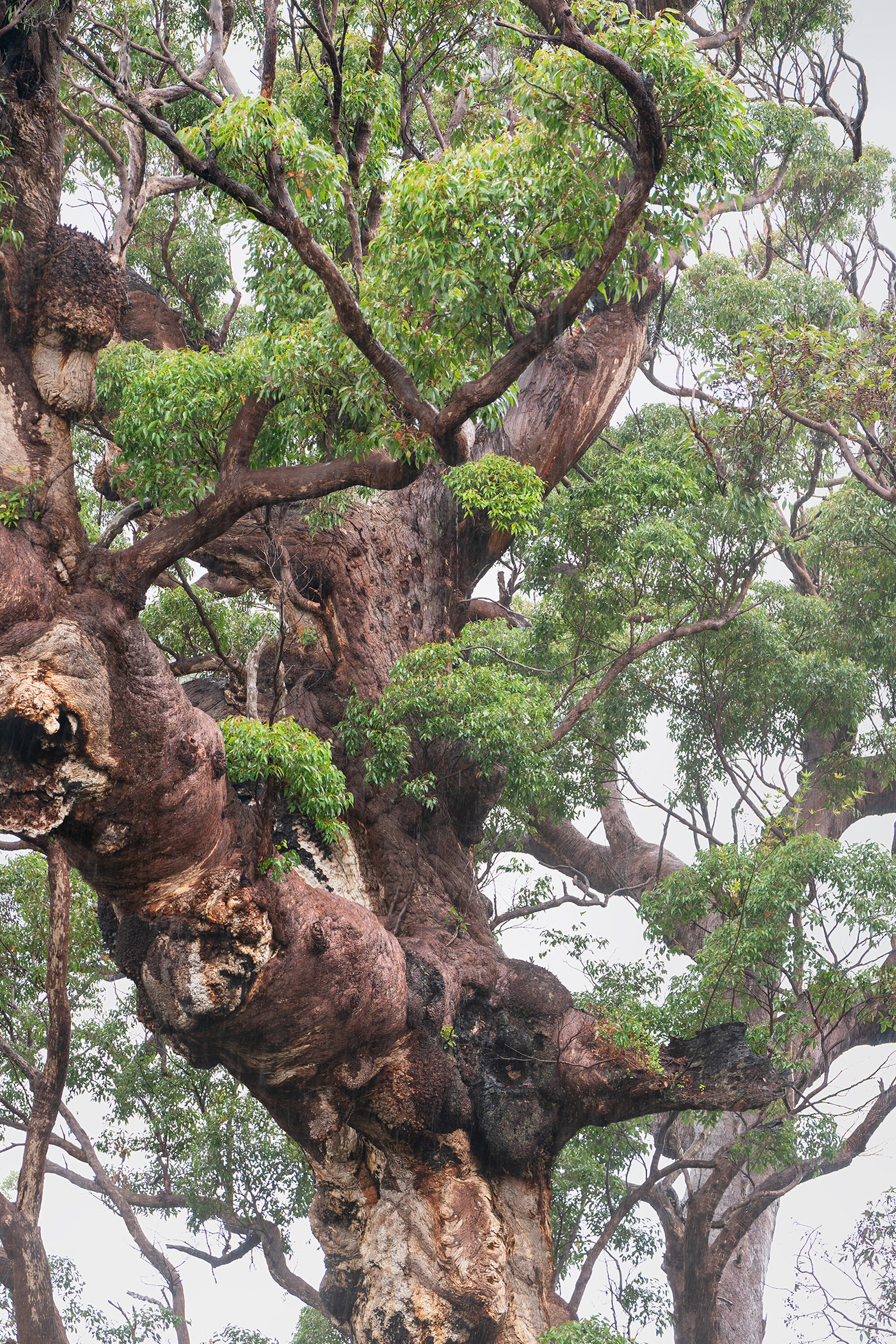
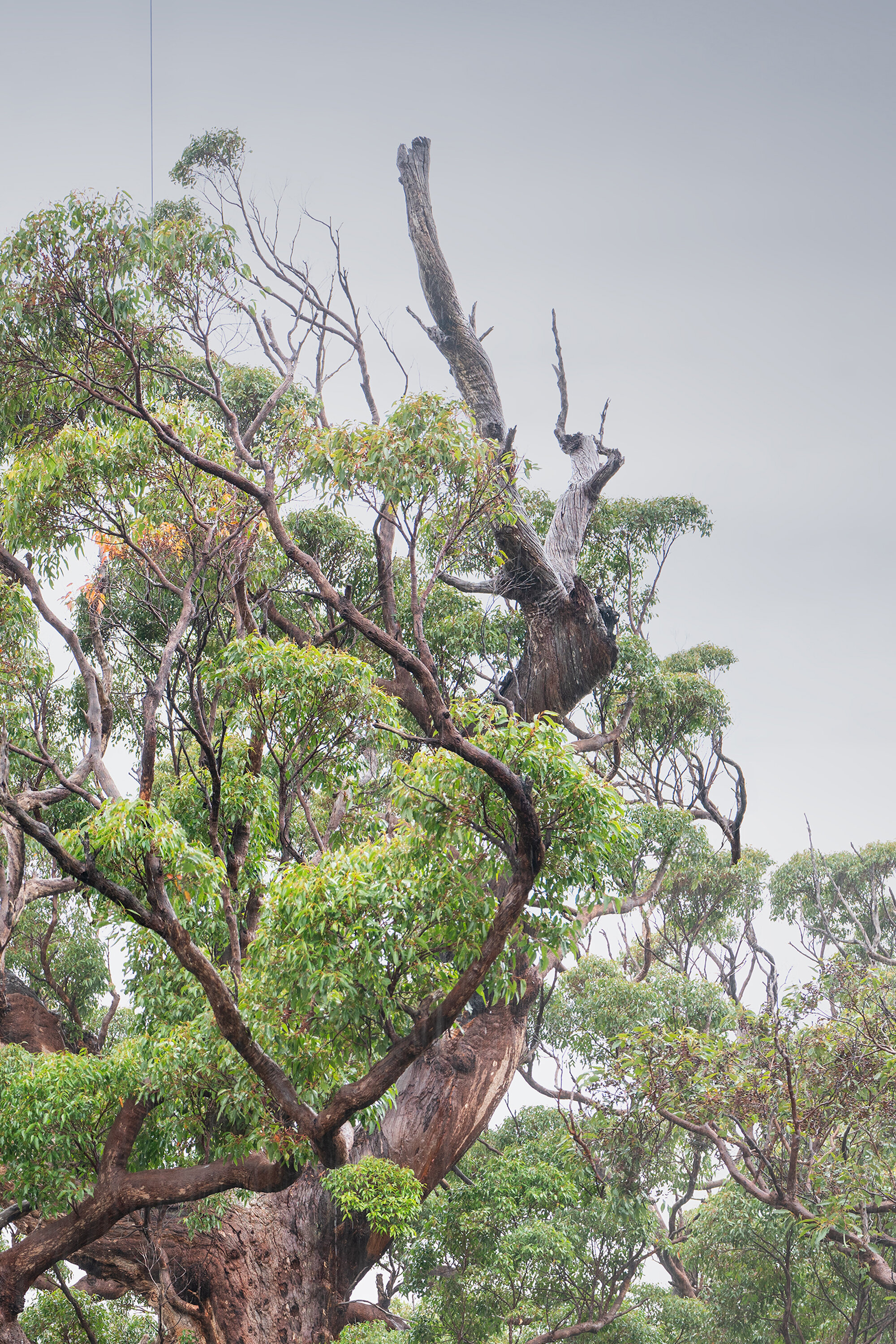
2022 Lathamus Keep, Tasmania (Eucalyptus globulus)

HOW TO PHOTOGRAPH A GIANT
Why not just use a drone?
We have the expertise to install these complex rigging systems over the top of and through a forest environment. We also understand that the weather and environment must be part of the image. Our system can operate in the rain, snow and mist which are conditions not suited to drones. The way we conceptualise how the tree and forest should be represented is with the least amount of technology, people and noise. A heavy lift drone can get the job done quickly, we prefer better.
Big job, small gear
Our system was borne from necessity and refined by practice and simplicity not bigger and better technology. Over the years we’ve transitioned to smaller and smaller lines and incorporated gimbals to stabilise the camera. Currently we work with 1000m of line that weighs less than 5kg and a camera package that is less than 3 kg. This reductive approach to development now allows us to hike in our system to any tree, in any forest, anywhere on the globe with ease.
More time for the win
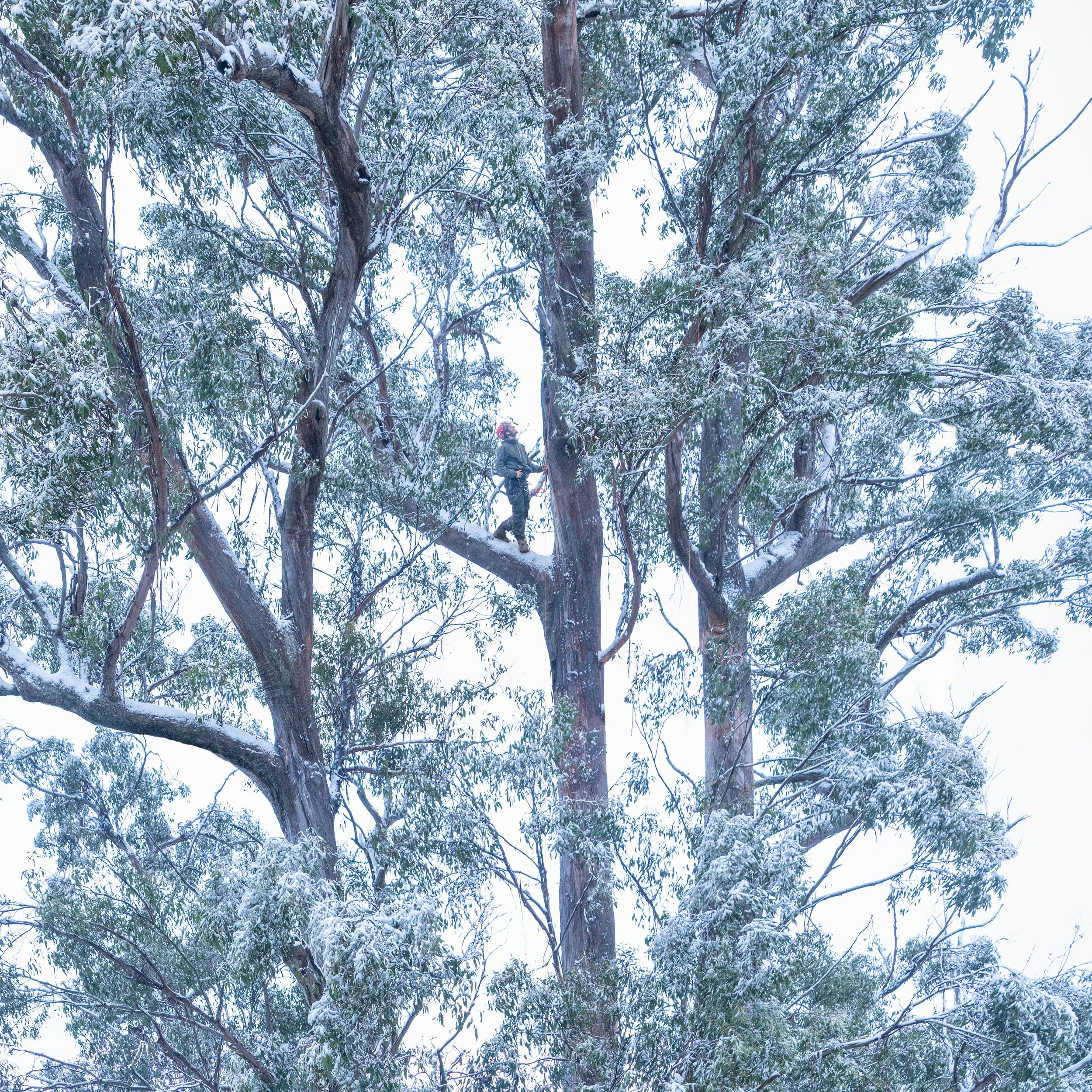
Being built from minimal materials we have the luxury of time and choice. During our Winter Trident project we installed our system months in advance when the weather was ideal for climbing. As winter approached we studied the weather systems of previous years. When winter arrived and the weather system most likely to produce snow started moving in we were ready. The day before the weather hit we prepared our selves to be snowed in and then camped close to the tree. Late in the afternoon it began to snow.
Continuing the work of two imaging pioneers
We are so pleased that this work is being continued.
-James Balog, Earth Vision Institute
While we have been championing Tree Portraits for many years now the origin of the technique belongs to James Balog. In 2002 James with a team of climbers set about to photograph a giant coast redwood. At the time digital cameras were in their infancy and film still held the best quality and resolution.
You can not simply take a good photo, you must create a great image.
-Michael Nicols, National Geographic
Later in 2009 and 2012 Michael Nicols created his versions of James’s Tree Portrait. Michael recreated both a coastal redwood and giant sequoia Tree Portrait. This time the use of digital cameras and cinema level stabilising equipment Michael was able to achieve a greater resolution than film.
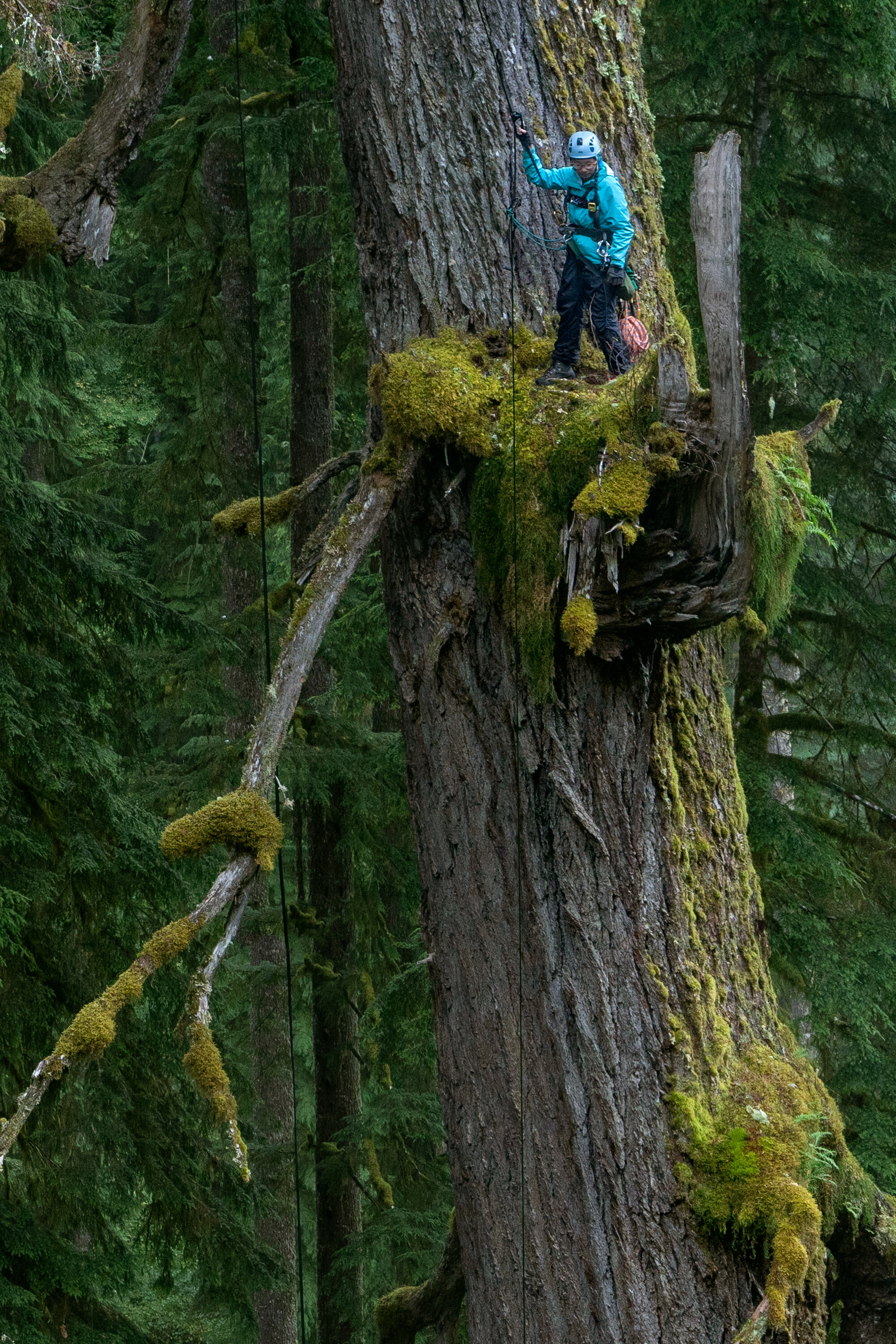
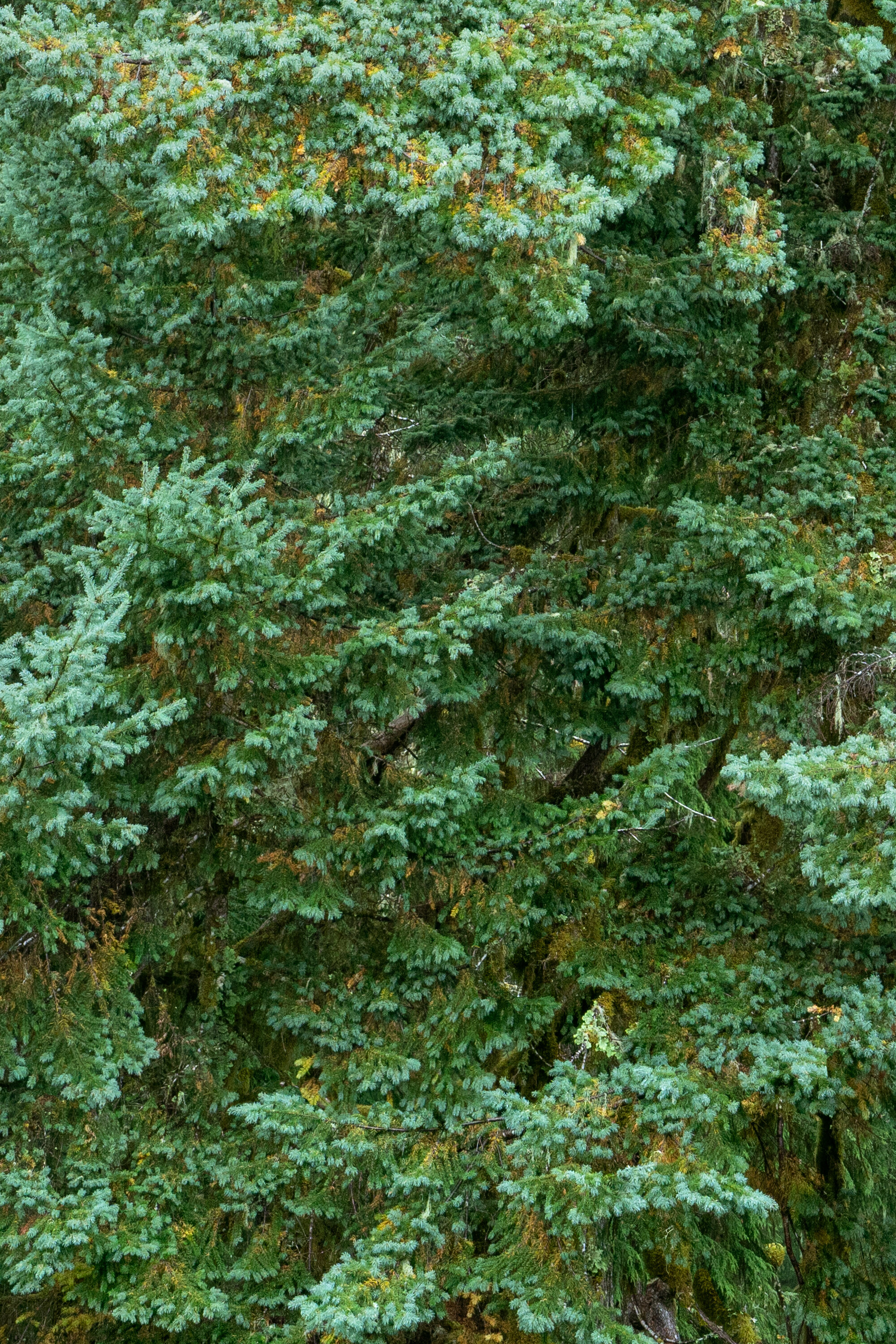
UNMATCHED RESOLUTION AND QUALITY
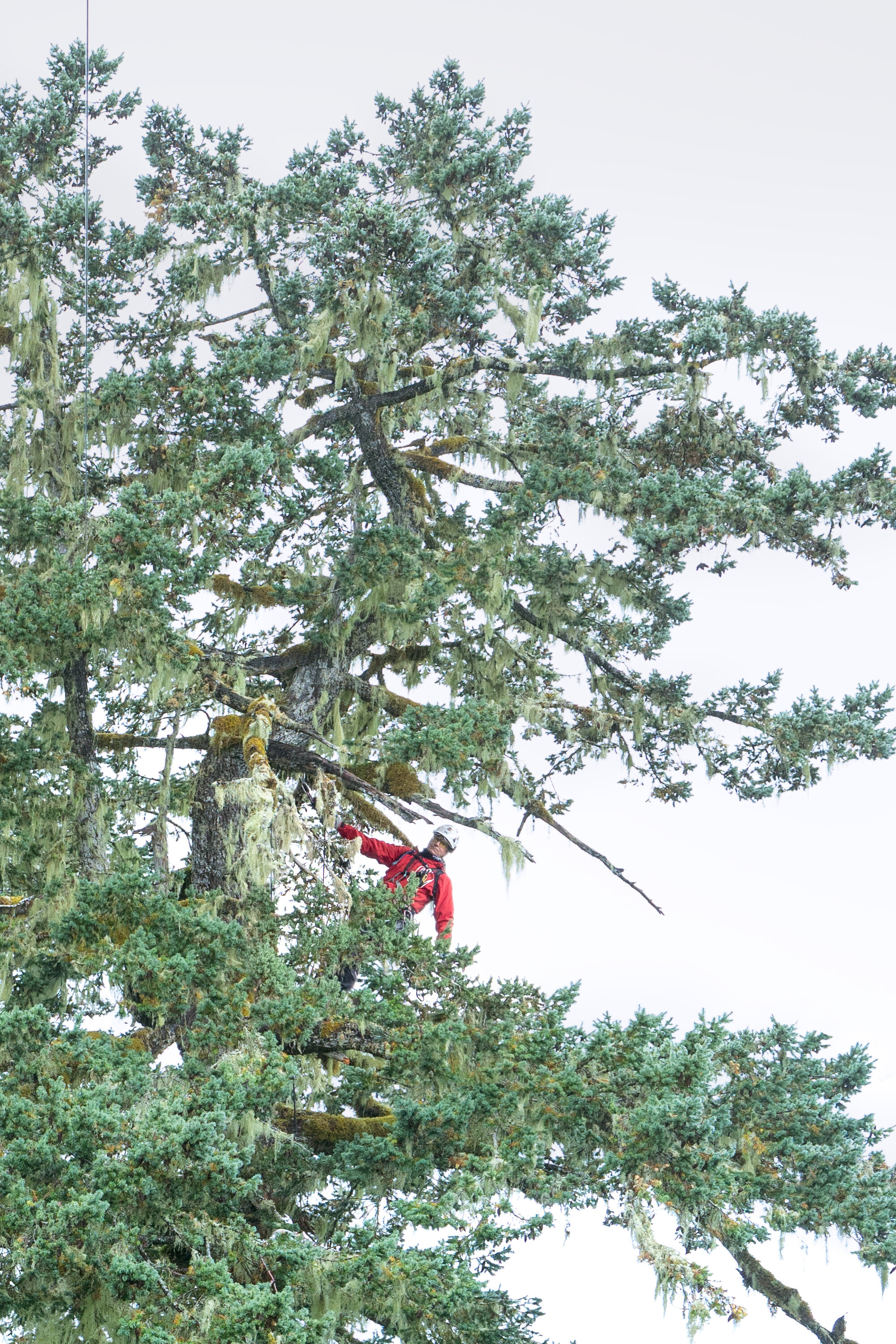
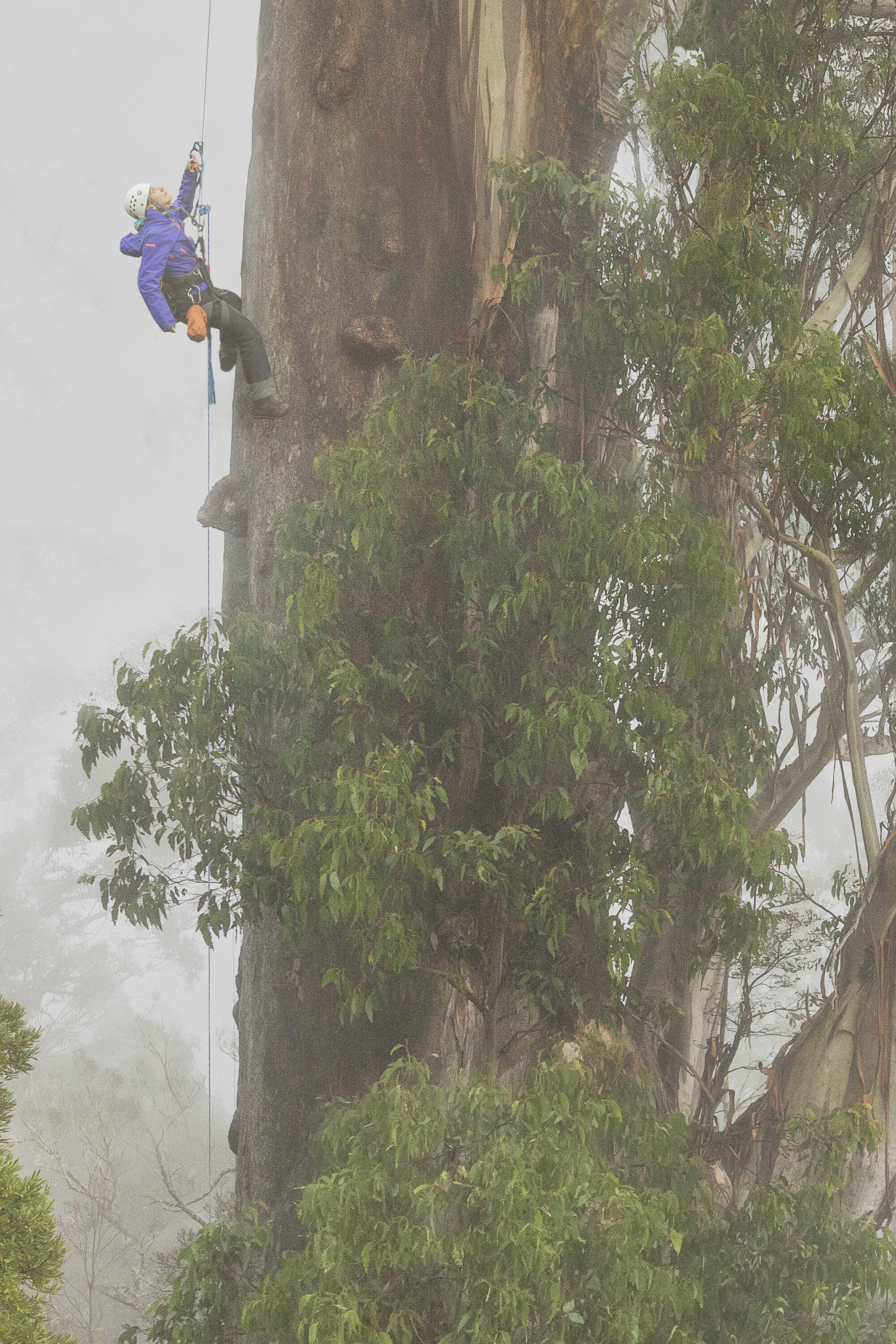
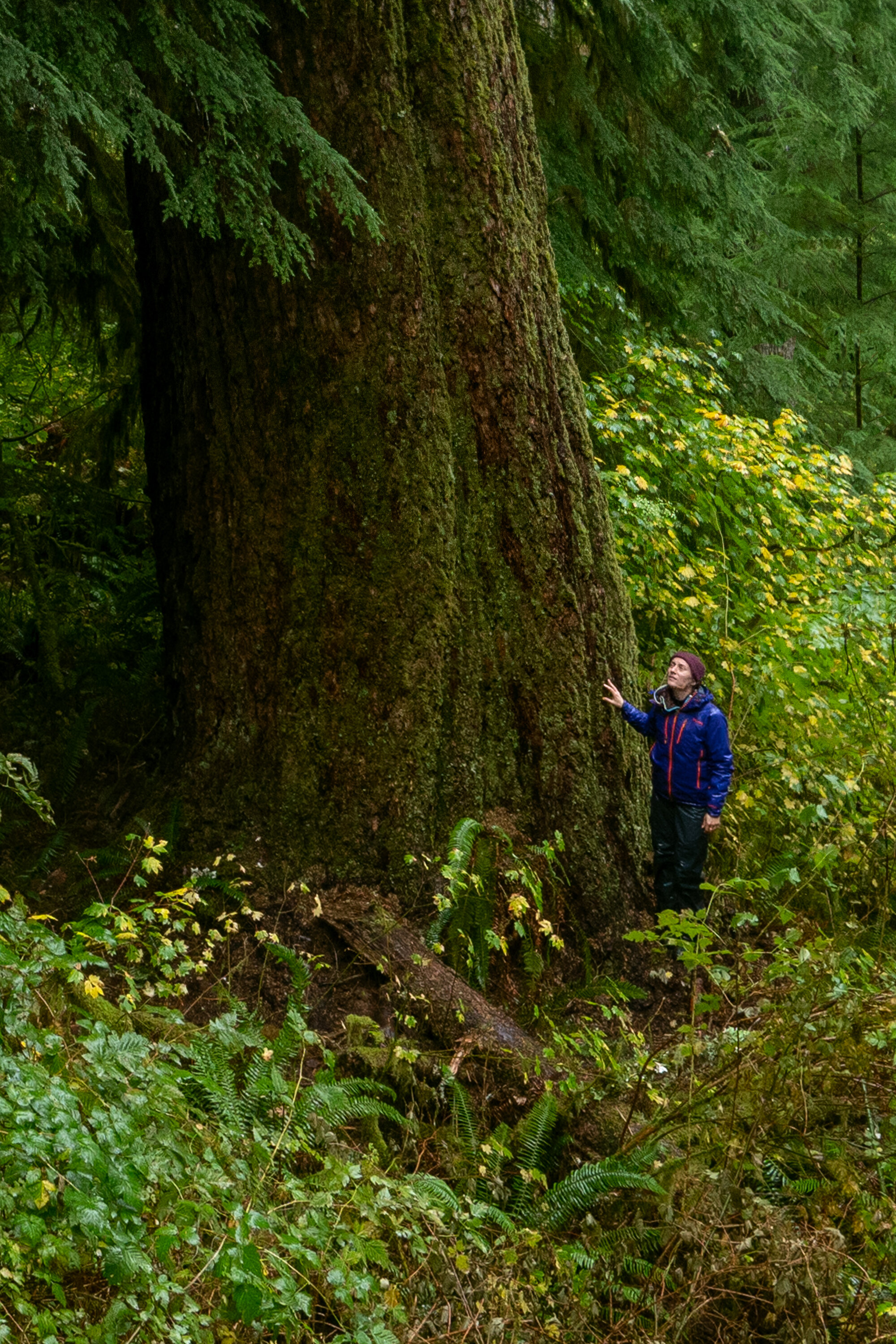
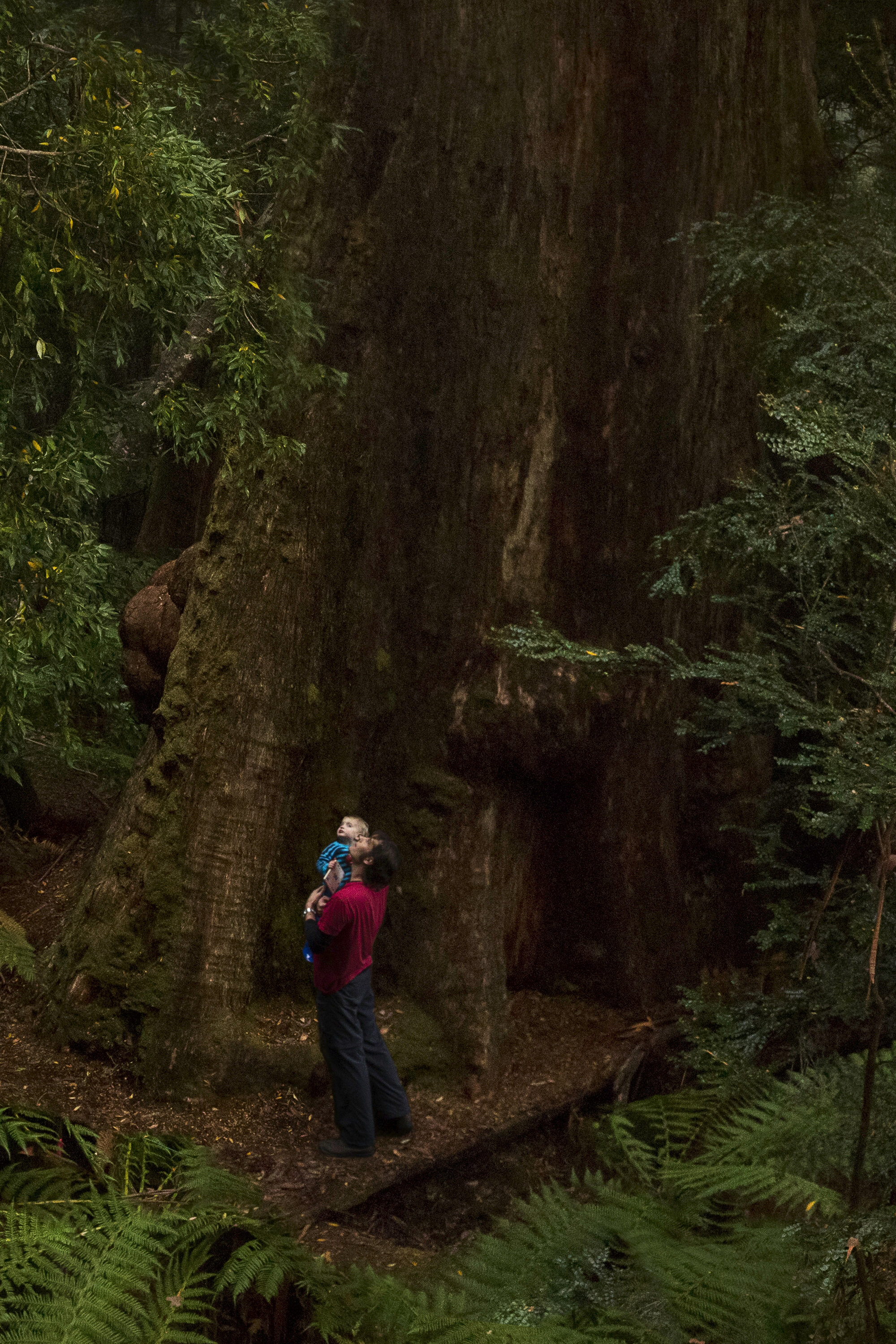
POSTER COLLECTIONS



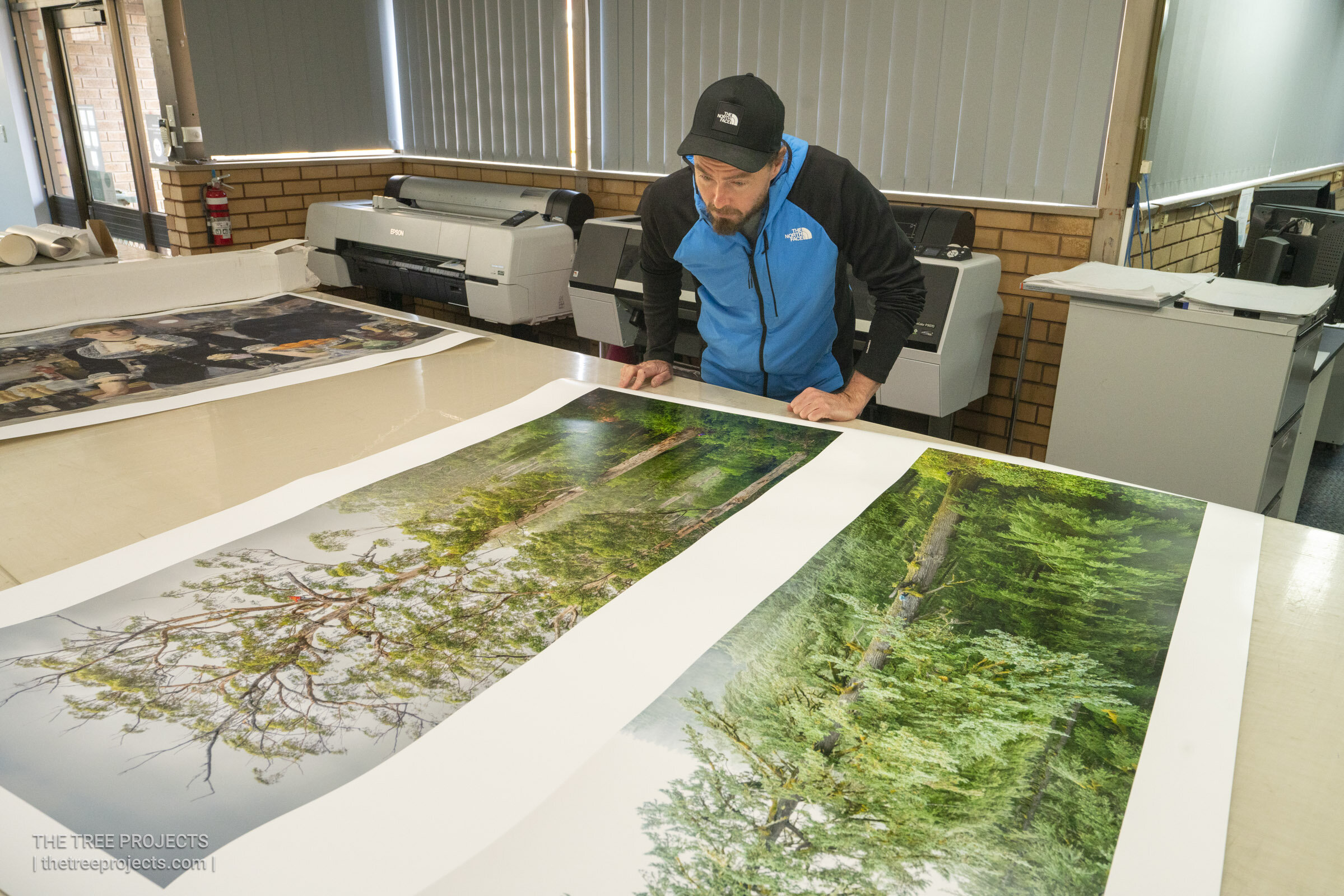
THE FINEST ART PRINTS

Tasmanian Collection
Interstate & International

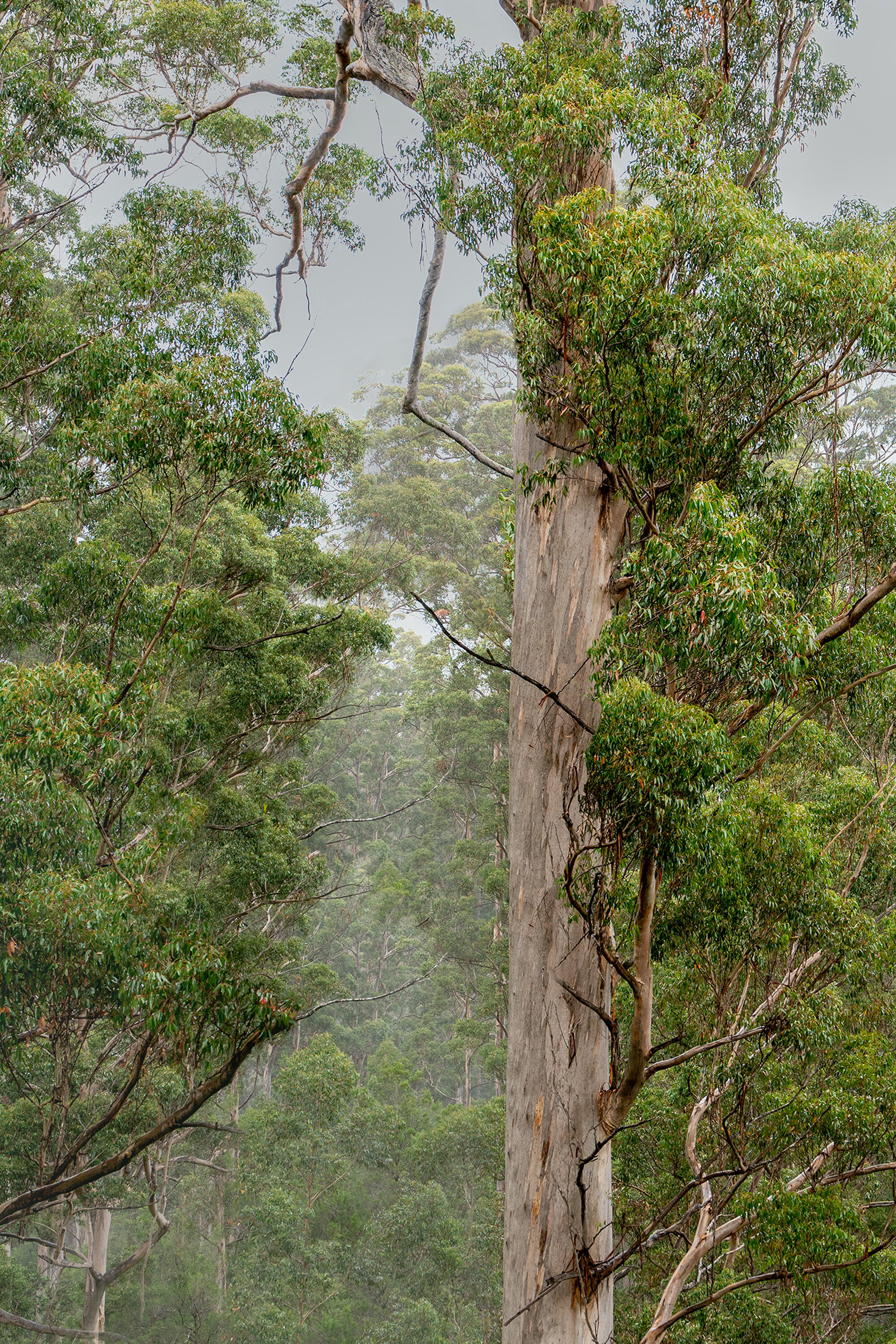
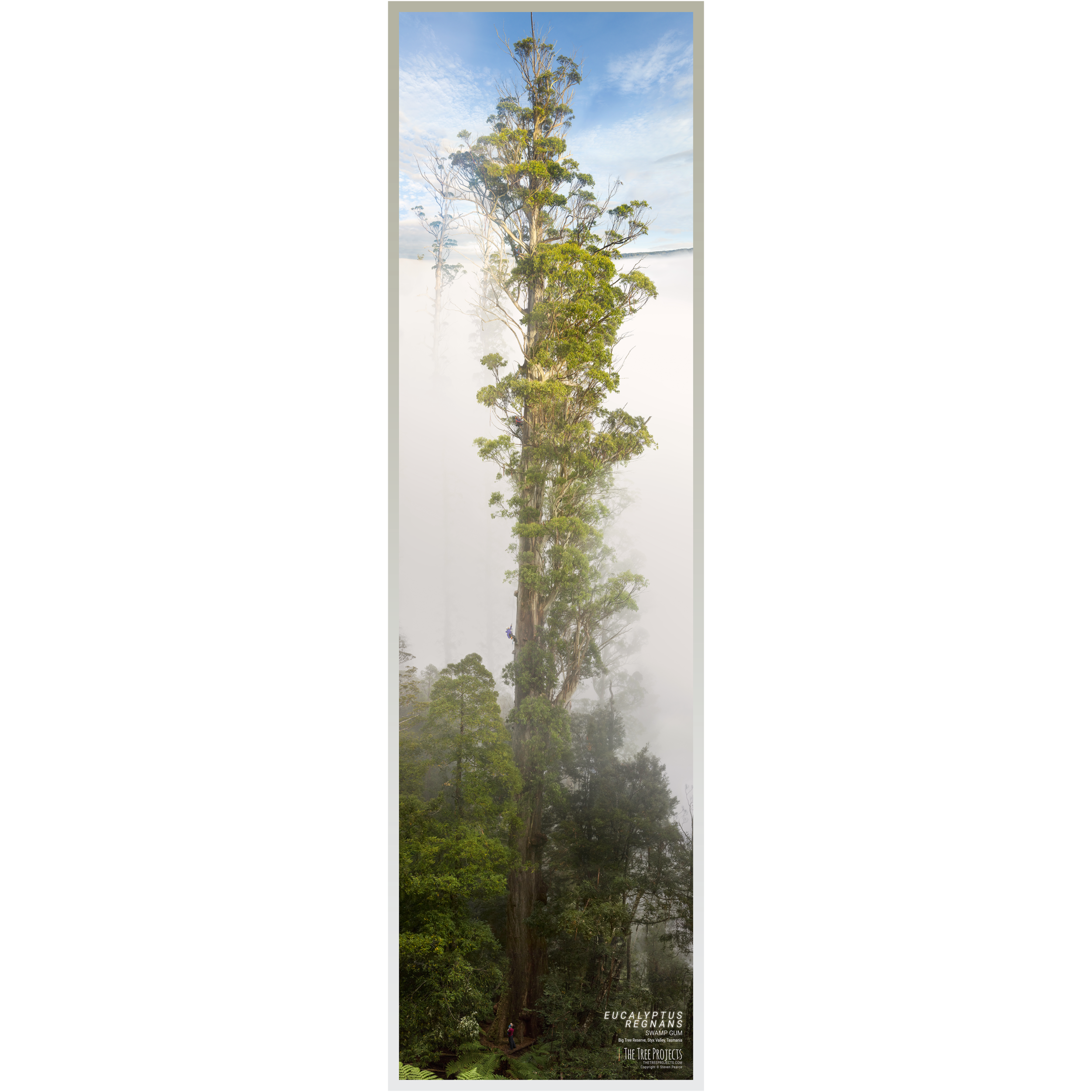
Eucalyptus regnans, known as the swamp gum in Tasmania or mountain ash in Victoria, grows up to 100m high and is the tallest and biggest tree species in the southern hemisphere.
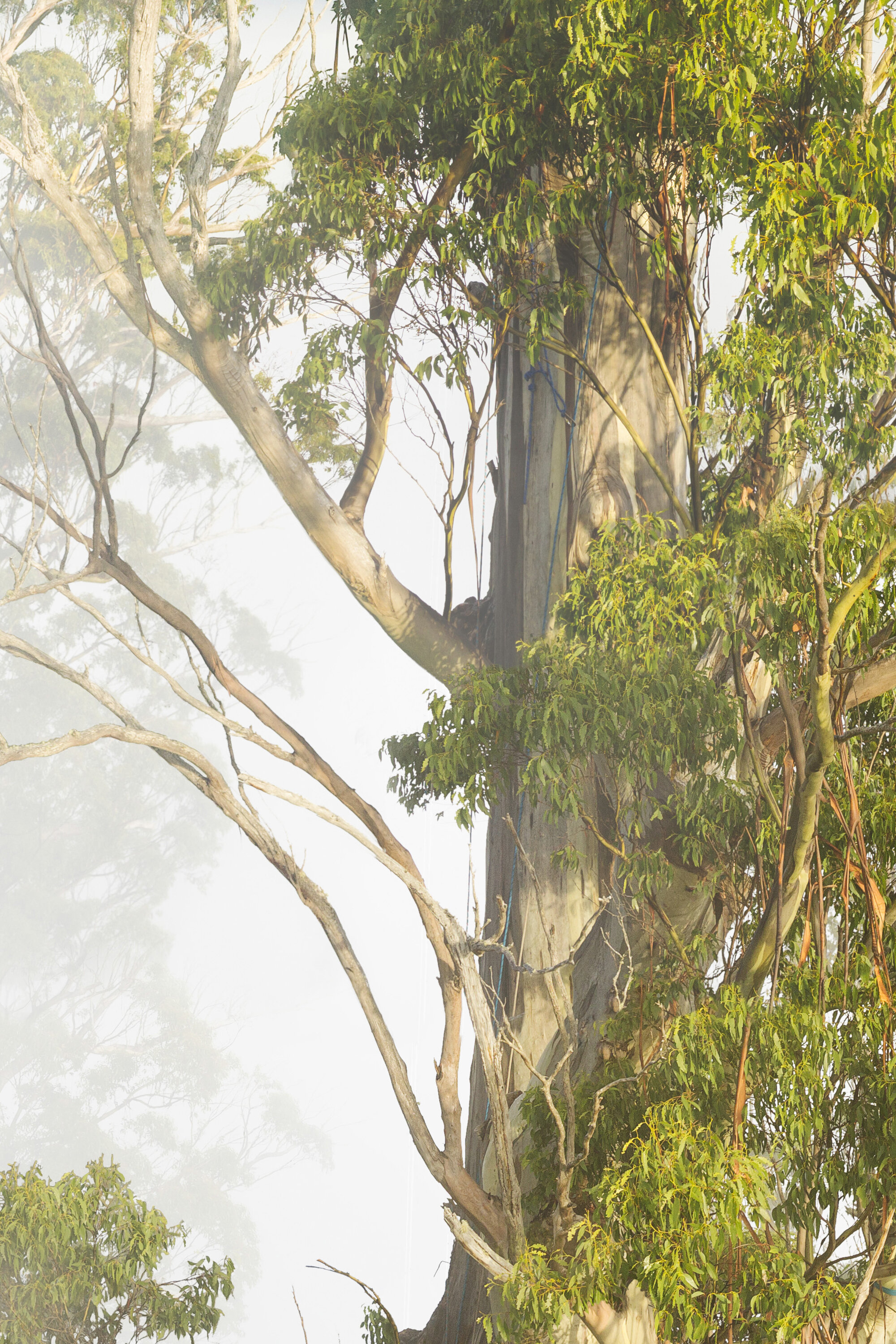
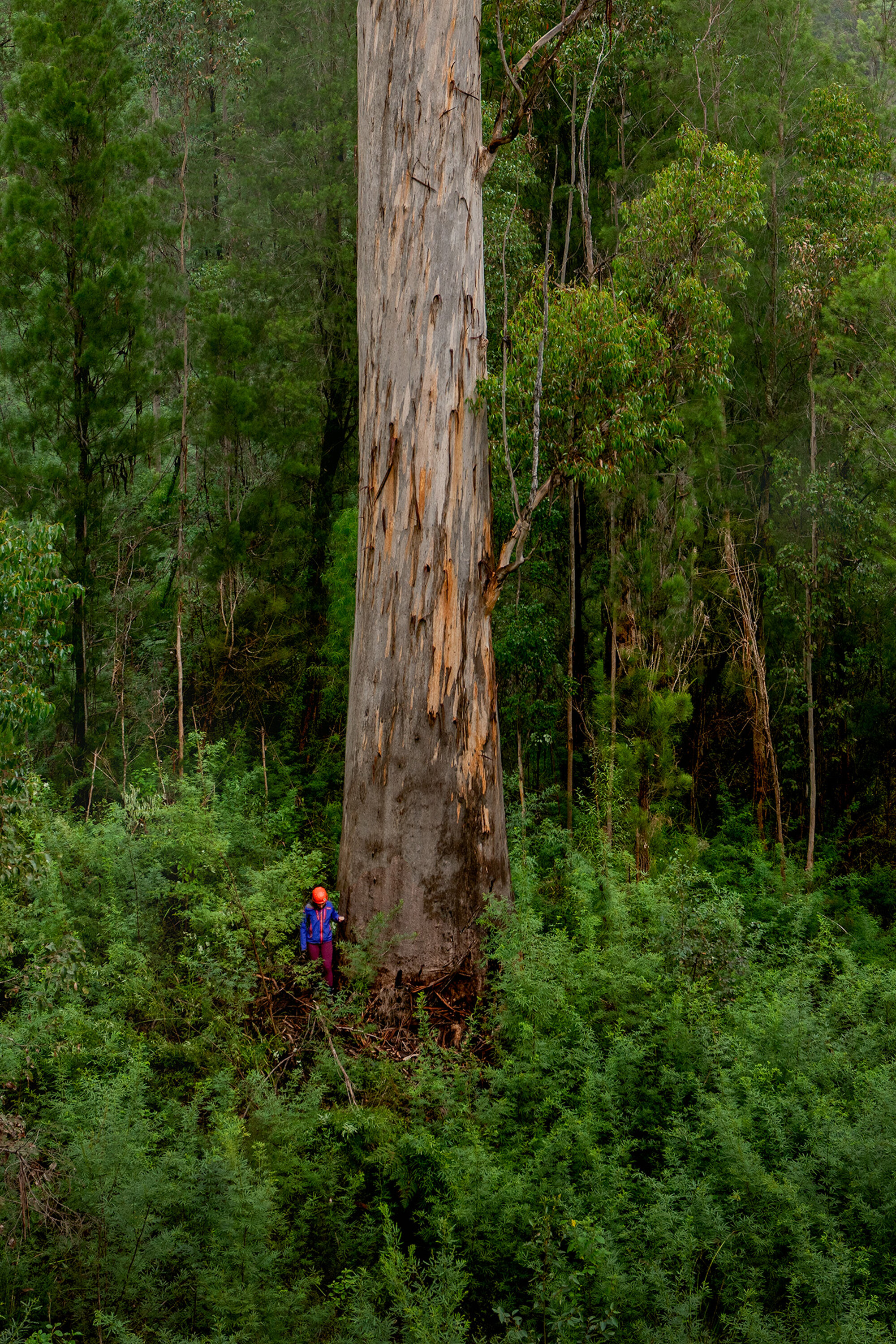
Located in the beautiful Styx Valley, Tasmania, this gigantic tree called “Gandalf’s Staff’ towers above a lush rainforest understory. Forests like these are one of the most carbon rich ecosystems in the world.
In 2016, our team spent over eight weeks capturing the portrait of this significant tree. The camera rig for photographing the tree portrait took two weeks to install due to the huge size of these trees. Then, in true Tasmanian style, the wind hampered our efforts in taking the photographs, as our system can only be operated in still conditions. Despite this, our team managed to create an incredible portrait of this 84 metre tree. We have also produced some stunning photos and videos of the forest, capturing many beautiful photos from a bird's eye view using drones.
Our project was a huge success and made huge headlines around the world. Our story was published by several leading news agencies including BBC, ABC, The Guardian and Die Welt, with an estimated reach of over 80 million people. We also had a feature story in Australian Geographic.
Our work was also featured in an exhibition at the Tasmanian Museum and Art Gallery in summer 2016/2017. Our exhibition also won The Museum and Galleries National Award for the best temporary exhibition in 2018.

Eucalyptus regnans are commonly called swamp gum in Tasmania or mountain ash in Victoria. This 84m 280 cubic meter beast of a specimen is possibly Tasmania’s most famous tree. It dominates the Tolkien Grove a stand of giant trees located in the Styx Valley Tasmania.
Material Options
Canson Infinity Platine Fibre Rag - The combination of the premium 100% cotton Platinum paper that Canson has supplied for many years to the original Platinum and Platine photographic market. Featuring a very luxurious 310gms weight and the latest microporous coating, making the traditional darkroom paper now available for your digital printing.
Canson Infinity Museum ProCanvas - This is the top grade professional canvas and is “OBA Free” (No Optical Brightening Agents). Manufactured with a high quality 100% pure cotton canvas base, coated with a new advanced technology of microporous coating.
PhotoTex - is the original peel and stick, polyester fabric, adhesive material that can be installed on virtually any flat surface (indoor and out) and then removed and reused many times over leaving no adhesive residue. Used for numerous applications PhotoTex does not weaken or strengthen over time, can withstand all weather conditions, and it will not shrink or curl like other materials. PhotoTex won't rip or wrinkle and can be pulled apart if it folds over during installation. PhotoTex material is US patented and non-toxic.
Ink
EPSON UltraChrome Pro6 Ink - Featuring an aqueous all-pigment construction. The PRO6 formulation includes additional Gray for colour and B&W output with enhanced tonal expression. Images are extremely durable while colour is predictable and consistent. Prints exit almost dry with a finish that is resistant to damage through scratching and moisture exposure.
Delivery
All prints arrive unframed and shipped to you in a reinforced mailing tube. All prints are printed by the master partners at our exclusive print partner Full Gamut right here in Hobart Tasmania. All orders are printed on-demand to your custom order, allow 7-14 days for printing and shipping.
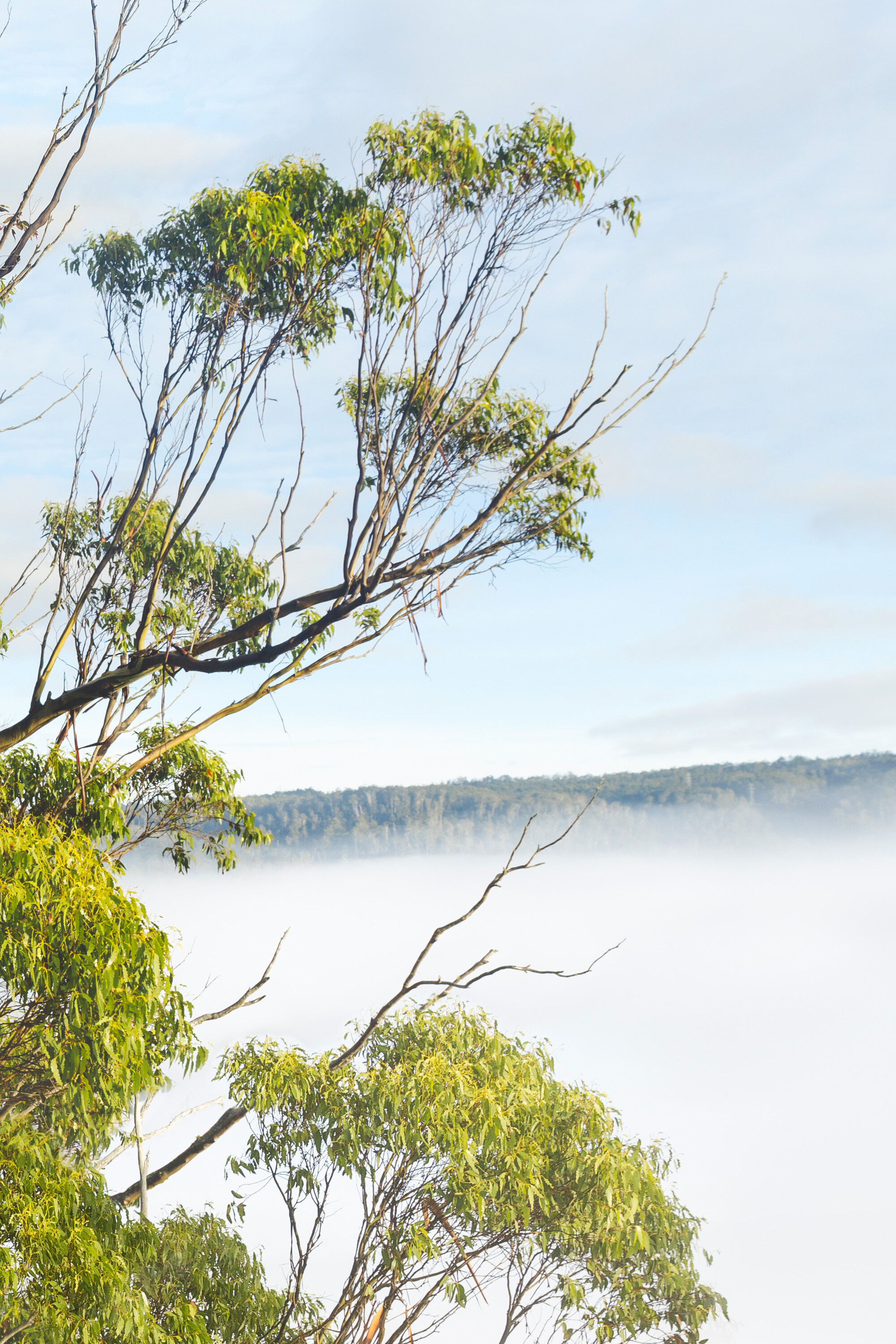
100cm x 30cm Lathamus Keep is the world champion blue gum (Eucalyptus globulus) poster. This is our biggest tree portrait ever. This tree has been a very big part of our lives for so long now. It’s not just a Tree Portrait but also an icon of what we are still losing here in Tasmania. Our campaign to save this tree from logging has led us and the Tasmanian big tree community into an empowering space. Together we discovered this area holds 76 trees 15 metres in girth and an additional 10 trees that qualify for protection.
After learning that yet another pristine old growth forest was going to be logged by Sustainable Timber Tasmania Tasmanian big tree hunters Jan Corigliano and Carl Hansen decided to take a look.
It was a cold and wet Saturday in August, never the less they persisted. Soaked to the bone and with raindrops covering the lens of their laser rangefinder they were prevented from getting any accurate readings. Their initial enthusiasm for the tree was tampered but the news quickly spread.
Months later in November, a second visit by big tree climbers Shaun Green and Jack O’hare set about to climb and measure the volume of the tree. From their maximum highpoint for the day of 65m, they began to measure the stem at regular intervals all the way to ground level.
Later that evening, far past any reasonable hour the phone rang, Jack had finalised and just triple checked the results. His calculations revealed the world had a new champion blue gum at 325 cubic metres in volume.
Sadly the previous champion Strong Girl had been killed in the 2019 bushfires along with another 15 of Australia’s top 25 trees. Finding Lathamus Keep reestablished the entire species as worthy contenders for giant tree protection.
The material
Intended to be our most affordable option it is a quality CMYK 4 colour process on 200gsm satin paper. If you are thinking about investing in a frame for the poster we do recommend spending that bit more on a Canson Platine cotton fiber print.